A Clear Way to Sort an Indian Rummy Hand
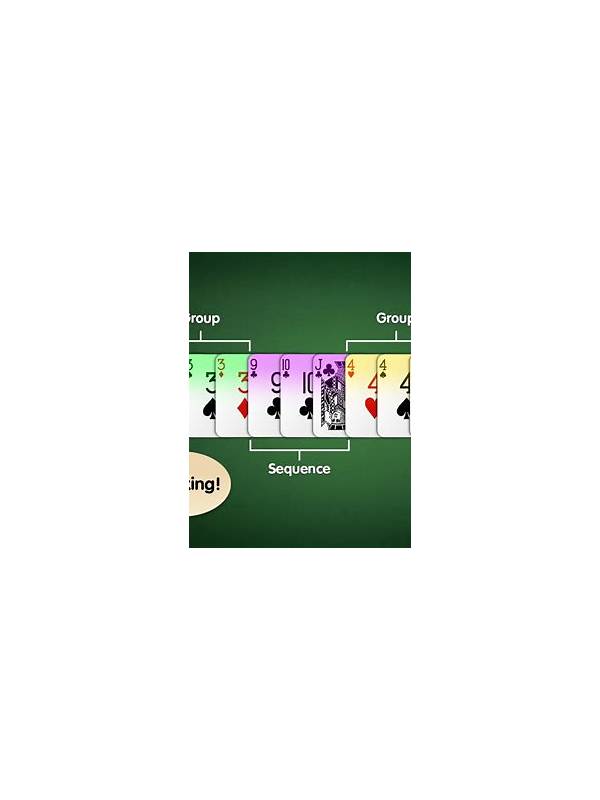
Sorting a rummy hand is a small habit with a large effect. When cards arrive in a random order, it is easy to miss a natural sequence or keep a tempting pair that does not belong anywhere. A consistent layout turns a crowded hand into a set of visible decisions.
Start by separating cards by suit. Keep each suit in ascending order, with aces placed according to the variant’s rules. Then mark cards that already form a sequence, cards that could become a sequence with one useful card, and cards that have no clear connection. Do not treat every pair as equally valuable. A pair is useful only when it can become a set or support another group without damaging a required sequence.
Next, identify the safest group first. A pure sequence, meaning a sequence without a joker, usually gives the hand a firm foundation in Indian rummy. Put it to one side mentally, but keep checking whether moving a card into another group would create an even stronger arrangement. The aim is not to freeze the first pattern you notice; it is to compare complete layouts.
Now examine flexible cards. A middle card can connect on both sides, while an edge card often has fewer possibilities. A seven, for example, may join a five-six pattern or an eight-nine pattern in the same suit. An ace or king may be useful in a rule-specific sequence, but should not be retained merely because it feels important. Flexibility depends on the actual cards around it.
Before discarding, ask three questions: Does this card complete or protect a pure sequence? Does it support more than one possible group? What useful card would an opponent learn about if I throw it away? These questions keep the choice focused on structure rather than emotion.
Repeat the routine after every draw. The hand changes whenever a new card arrives, and a previously weak card may become part of a strong plan. Good sorting is not cosmetic. It reduces rushed decisions, exposes expensive loose cards, and makes a final declaration easier to verify. Use the same order each time, and your attention can move from remembering the hand to evaluating it.
If the platform lets you rearrange cards, use that feature consistently, but still understand the arrangement yourself. A visual layout can be wrong if a card is hidden behind another or if a joker is mistaken for a natural card. Take one final look at every group before committing to a play. The goal is a hand you can explain clearly: which groups are secure, which are conditional, and which card is the current discard candidate.