Rummy Tutorial: Use an Example Hand to Teach a Friend
Teaching Indian rummy is easier when the explanation follows the order in which a beginner experiences a hand. Listing every scoring detail and edge case first can make the game seem harder than it is. A clear introduction should cover the goal, the turn, the groups, and the declaration check before adding optional detail.
Begin with the goal in plain language: arrange the cards into valid sequences and sets, then declare according to the table’s rules. Explain that a sequence usually contains consecutive cards of the same suit, while a set contains cards of the same rank in different suits. Because variations exist, show the exact rules used by the app or table rather than presenting one format as universal.
Next, demonstrate one complete turn. Show how to draw from the available source, inspect the hand, and discard one card. The new player should understand that the hand changes by one card during the turn, and that the discard is visible to others. A demonstration with low-stakes practice cards is more useful than a long verbal description of every possible choice.
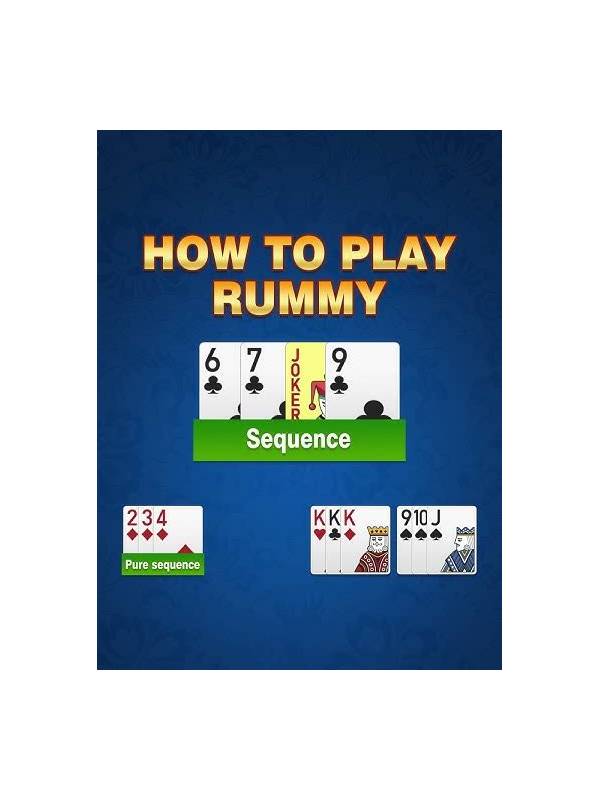
Introduce the idea of a pure sequence early, but do not bury the learner in terminology. Explain why a required pure sequence matters in the chosen rules and show one valid example and one invalid example. Ask the learner to identify the difference. This small question checks understanding better than asking whether everything makes sense.
After that, explain how a hand can contain more than one kind of group. Use a simple layout with completed groups on one side and unarranged cards on the other. Point out that a promising pair is not the same as a completed sequence, and that a joker may have special rules. Demonstrate the app’s joker treatment directly if possible.
End with the declaration procedure. Tell the learner to verify every card group before pressing the button and to confirm what happens after an invalid declaration. Mention responsible limits and any age or location restrictions that apply to the service. Practice a few hands without focusing on speed. A new player learns faster when they can explain why a group is valid, not merely copy a sequence of taps.
Invite the learner to teach one example back to you. Ask them to point out the draw, the discard, and the group that makes the hand valid. Correct one misunderstanding at a time and let them repeat the action. This keeps the first lesson practical, respectful, and easy to remember.