A Beginner’s Guide to Reading Rummy Hand Flexibility
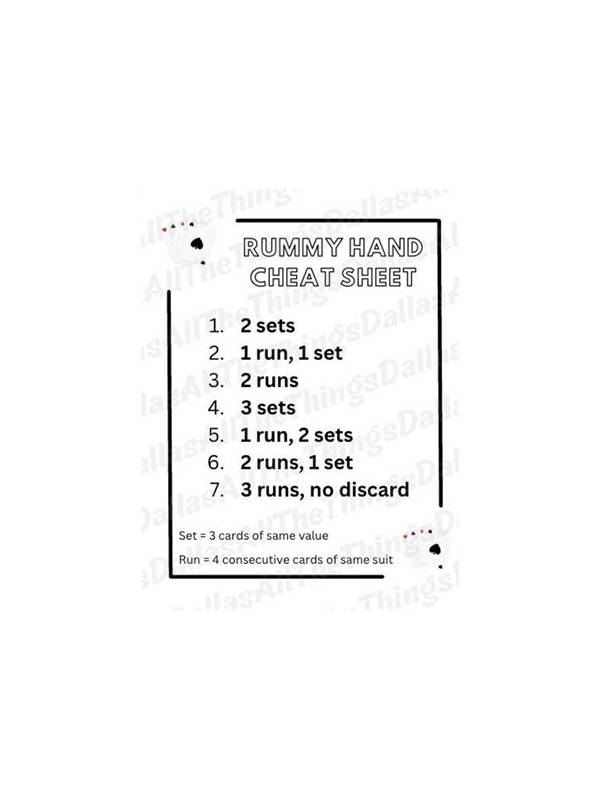
Two hands with the same number of cards can have very different levels of flexibility. One may contain a nearly complete sequence and several connected alternatives. Another may contain attractive pairs that all depend on one unlikely card. Learning to notice this difference helps beginners choose cards based on structure instead of appearance.
Start by sorting the hand by suit and rank. Mark any completed or nearly completed run, then identify cards that can join more than one possible group. A middle card often has more neighbors than an edge card, although its real value depends on the cards already present and the rules of the variant.
Next count the independent plans. A plan might be “connect the seven and eight,” “build a sequence in hearts,” or “use the joker to bridge a gap.” Do not count every imagined combination. Count only plans that have at least two supporting cards or a realistic route to completion. Inflated possibilities can make a hand look more flexible than it is.
Flexibility changes after every draw. A card may complete one group while making another plan irrelevant. Regroup the hand instead of leaving the old arrangement in place. This small reset prevents you from protecting a pair simply because it was part of your first idea.
When discarding, consider which card leaves the fewest useful continuations. An isolated high card may be a clear candidate, but a low card can also be poor if it is the only bridge between two plans. Conversely, breaking a pair can be sensible when both cards have limited future value and the break releases a safer discard.
Flexibility is not the same as keeping everything. Holding too many possibilities can produce a cluttered hand with no decisive direction. As the hand progresses, shift from exploration to commitment. Once one plan has strong evidence, release weaker alternatives and protect the cards that support the clearer route.
Practice by reviewing random hands without playing them. Give yourself one minute to sort, name two credible plans, and identify the least flexible card. Then compare your reasoning with the next draw. The exercise trains observation without requiring a live table, and it makes future decisions more deliberate.
Remember that flexibility has a time horizon. A card can be flexible now but lose value when several useful ranks appear in the discard pile. It can also become more valuable after a new card creates a second route. Re-evaluate the hand after meaningful changes instead of assigning permanent labels to cards at the beginning.