Rummy How-To: Conduct a Final Declaration Audit
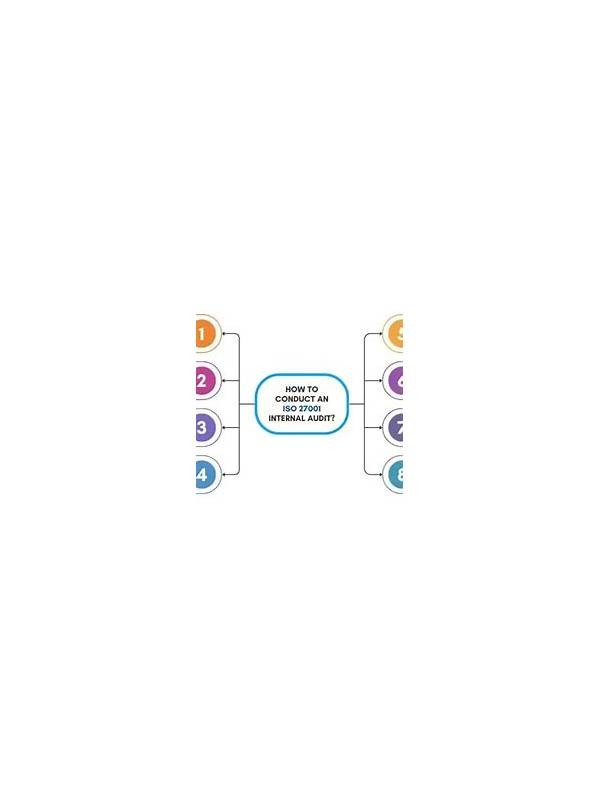
A final declaration audit is a repeatable check performed before confirming a hand. It is especially useful when the cards were rearranged several times or when a promising group appeared near the end. The audit should be short enough to use consistently and detailed enough to catch structural errors.
First, count the cards. Confirm that every card is present in one group and that no card has been overlooked or counted twice. A tidy visual layout can hide an extra card or an incomplete row, so use a deliberate count rather than relying on appearance.
Second, inspect the pure sequence requirement for the format you are playing. A sequence that uses a joker or wild card may not satisfy a requirement that calls for consecutive cards of one suit without substitution. Verify the exact rule for the table or app before the hand begins; do not rely on a remembered version from another format.
Third, inspect every remaining group separately. Ask whether it is a legal sequence or set, whether the suits and ranks are valid, and whether any assumed relationship is only a pair or partial link. Check the least convincing group first. Strong groups rarely cause the error; the uncertain group usually does.
Fourth, review the action itself. Confirm that you are pressing the declaration or submit control for the intended table, and read any summary shown by the interface. Do not rush because another player appears close to finishing. A calm audit is more valuable than a hurried reaction.
If the audit finds a problem, stop and rebuild the arrangement if the rules allow it. Do not conceal uncertainty by declaring anyway. After the hand, note what the audit caught or what nearly escaped notice. Repeating the same four stages turns the final check into a dependable habit and makes the end of a hand less emotional.
Keep the audit separate from outcome expectations. You may feel certain that the hand is strong, but confidence does not replace checking. You may also feel rushed because another player has declared, but haste does not change the rules. A fixed sequence gives you something concrete to do in either situation and protects accuracy without interrupting the rhythm of the game.
Once the audit is complete, act on the verified information and accept the result. Rechecking endlessly can create a different kind of hesitation.
With repetition, the audit becomes a calm closing ritual rather than a last-second gamble.