Rummy Tips: Compare Immediate Points With Future Connections
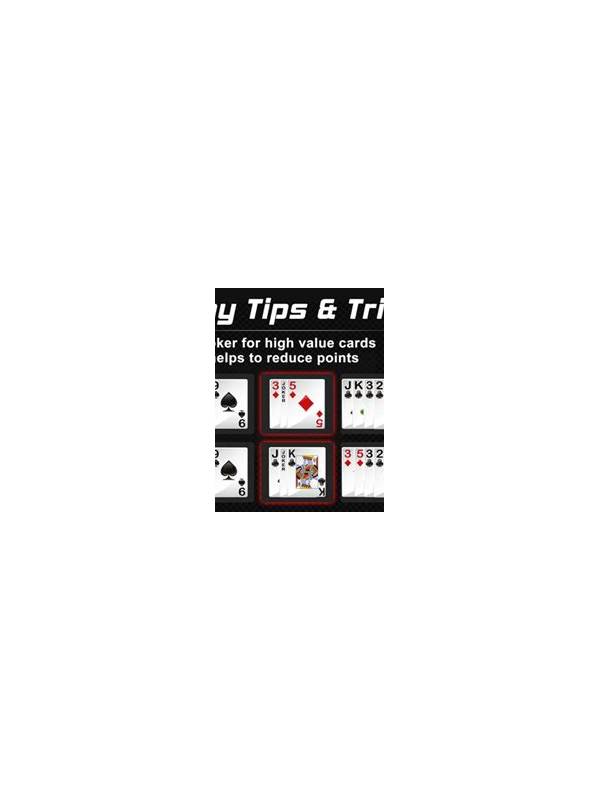
Every discard has two time horizons. It can reduce the points or clutter in your hand now, and it can change the connections available on later turns. Strong play compares both. Focusing only on immediate points may destroy a valuable route, while focusing only on future connections may leave expensive cards protected for too long.
Start by identifying the immediate effect. Which card would you release, and how much risk or clutter would that remove? A high card with no credible group is often an obvious candidate. A low card can still be costly if it is the only card blocking a clean arrangement. Write the immediate benefit in plain language rather than relying on a rank alone.
Then identify the future effect. If you keep the card, how many useful connections can it support? A middle card may connect to neighbors in one suit, while a duplicate may support a set. Count practical routes, not every imaginable combination. Check whether the supporting cards are still plausibly available and whether keeping this card forces you to hold other weak cards.
Compare the options at the hand’s current stage. Early on, preserving a flexible route may be worthwhile because several draws remain. Later, immediate reduction usually deserves more weight because there is less time to repair a speculative plan. The same card can therefore change value without changing rank. Its role, evidence, and deadline have changed.
Use a simple tie-breaker when the choices are close: prefer the discard that leaves the next turn easiest to explain. Clarity has practical value. A hand with fewer points but several confusing leftovers may be harder to manage than a slightly higher hand with one clear route. Do not use this rule to protect every familiar card; clarity still requires releasing unsupported possibilities.
Practice with a small set of sample hands. For each possible discard, write one sentence for its immediate effect and one for its future effect. Compare the sentences without checking the eventual winner. This exercise trains you to see the trade-off before the pressure of a live turn. Over time, the balance becomes quicker: reduce dead weight when the future route is weak, and preserve connections when the evidence is strong and the cost is controlled.
Remember that the comparison is local to the current hand. A principle learned from one format or table may need adjustment elsewhere. Keep notes about the conditions of the decision, including the stage of the round and the information visible then. Context makes the lesson transferable without turning it into a rigid rule.