Rummy How-To: Rebuild a Hand After a Wrong Sort
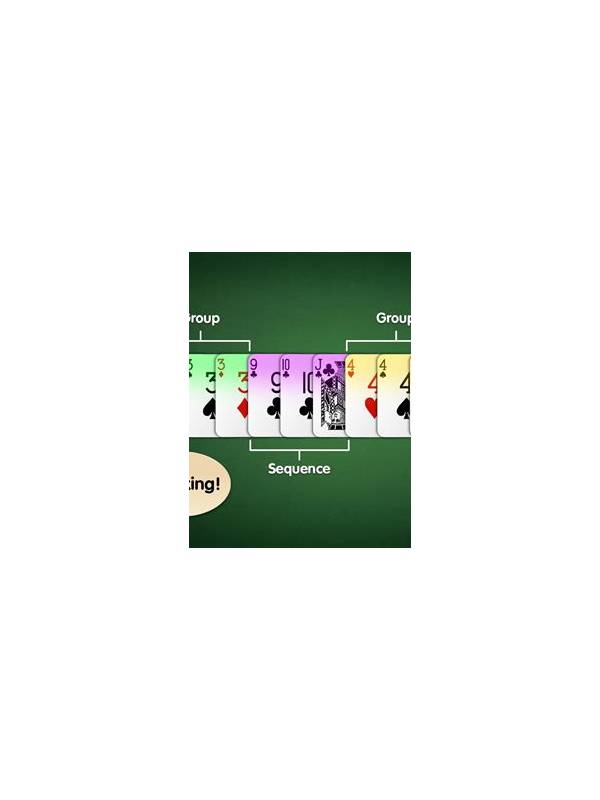
A wrong sort happens when cards are arranged around an assumption that no longer fits the hand. Perhaps a pair was treated as a set, or a sequence was protected even after its missing link became unlikely. The solution is not to defend the old layout. Rebuild the hand from the rules and the cards currently visible.
First, clear the mental categories. Look at each card as unassigned for a moment, while remembering which melds are genuinely confirmed. Separate confirmed legal groups from tentative groups. If the table uses special joker or declaration conditions, check those conditions before rebuilding. A neat arrangement is not proof that it is accepted.
Next, make three passes. In the first pass, identify pure-sequence possibilities and the cards that support them. In the second, identify other valid sequences or sets. In the third, mark isolated cards and high-cost holdings. Do not try to solve every category at once. The passes prevent a tempting set from hiding a missing required sequence.
After the rescan, choose one primary route and one backup route. The primary route should have a clear role and reasonable flexibility. The backup should share as few fragile assumptions as possible. Set a review point so you do not carry both plans forever. If neither route improves, release the weakest commitment rather than adding another layer of hope.
Record what caused the wrong sort. Was the first pair visually attractive? Did a joker make a gap seem smaller? Did you overlook the rule checklist? Naming the cause makes the next hand easier. Rebuilding is a normal skill, not evidence that the whole session has failed. Take a break if frustration makes the cards feel urgent, and keep the activity within your personal limits. If the mistake came from a confusing interface, change the sorting view or use a larger display before the next practice hand. If it came from rushing, add a short pause before every discard. Do not respond to a wrong sort by increasing stakes or extending the session. The useful recovery is clearer information and a calmer process. A hand can be rebuilt, but a pressured decision often becomes harder to correct. A rebuild can be done physically by returning cards to one row, then sorting by suit and rank again. This small reset removes the visual influence of the old grouping. Rebuild only after confirming the current rules and the cards already exposed.