Rummy How-To: Build a Simple Discard Priority List
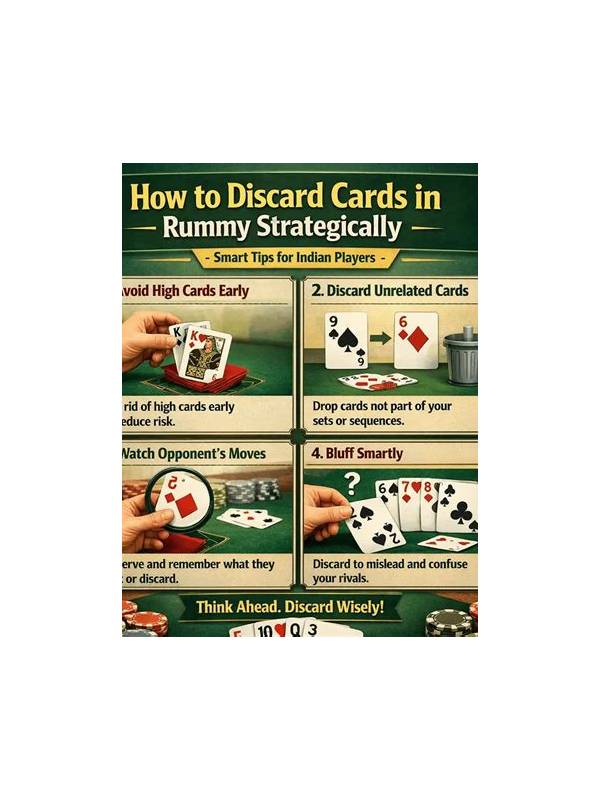
When a hand contains several weak cards, choosing a discard can consume more attention than the draw itself. A simple priority list makes the decision faster while leaving room for table information. The list is a starting order, not a rule that overrides visible danger.
Place isolated cards near the top of the list. A card with no pair, no neighbor, and no realistic role usually contributes little. Then consider high-penalty cards that lack a clear exit plan. These cards can remain temporarily if they have strong connections, but an unsupported high card should not survive only because it feels unpleasant to release.
Next, rank narrow fragments. A pair with one remaining route or an endpoint that needs a single exact neighbor may be weaker than a flexible middle card. Count plausible improvements and consider how many draws remain. The same narrow fragment can be acceptable early and poor late.
Place flexible cards lower on the list, but check opponents before discarding them. A connector may be useful to several players, especially if related cards have just been taken. Safety can move a flexible card upward when the table provides evidence that it is dangerous. Conversely, an exposed card may be easier to release if its value is already obvious and the improvement is small.
Finally, protect required structures. If your rules demand a particular sequence or group, do not discard a card from that structure without identifying a replacement. A tidy-looking hand is not worth breaking a legal foundation.
Use the list after every draw: classify the new card, update the fragments, inspect the table, and select the highest-priority safe discard. If two cards tie, prefer the one with the larger penalty or weaker fallback. After the hand, note any exception that changed the order. Over time, your priority list becomes more accurate because it reflects both general principles and the specific table environment.