Rummy How-To: Trace a Hand Back From the Last Discard
Reviewing a rummy hand from the beginning can produce a long story with too many details. A reverse review is shorter and often more useful. Start with the current position, inspect the last discard, and then move backward only far enough to understand how the hand reached this point.
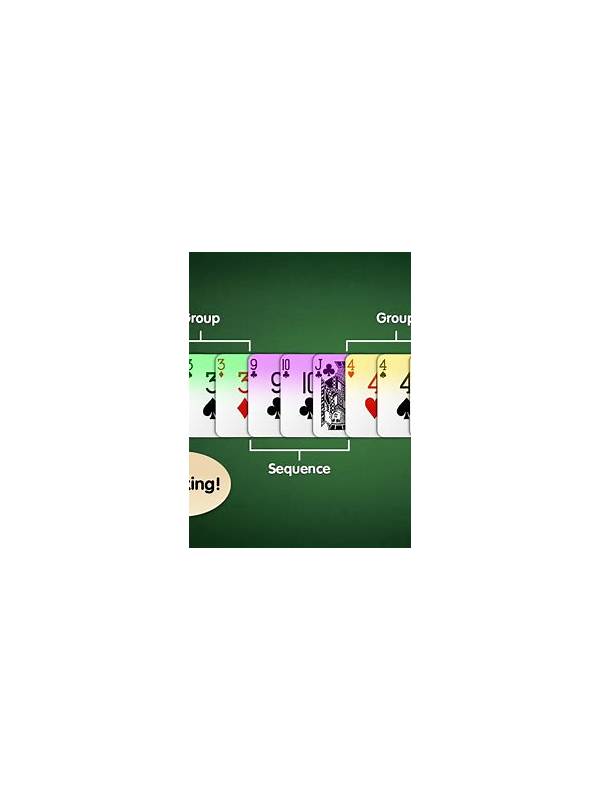
First, check the legal position. Identify any confirmed sequences, sets, wild cards, and cards still outside a complete plan. If the hand does not yet contain the required foundation, place that fact at the top of the review. A clever late route cannot compensate for ignoring a mandatory condition.
Second, examine your most recent discard. What role did it have before leaving the hand? Was it isolated, duplicated, or part of a route that failed to gain support? If the discard was made because it had high penalty and low recovery value, it may have been sound even if the next card did not help. Avoid judging a decision only by the card that appeared afterward.
Third, look at the draw that preceded the discard. Did it create a new connection, complete a route, or merely add another possibility? If the draw improved one plan, did you protect it, or did you discard a card that gave the plan flexibility? This step reveals whether the issue was reading the new card, arranging the hand, or choosing among competing routes.
Continue backward until you find the first moment when the current plan became unclear. That is the useful review point. You do not need to criticize every earlier choice. Ask what information was available then and whether a different option would have reduced risk without requiring knowledge of the future.
Finish with one adjustment for the next hand. It might be sorting by legal structure earlier, using an exit rule for weak pairs, or pausing before discarding a high card. Keep the adjustment specific and observable. “Play better” is too broad; “label every speculative route after the first draw” can be tested.
Keep the review separate from the final result. If you won, ask whether the decision was supported by the information available; if you lost, ask whether it was still reasonable at the time. This protects the review from hindsight. A reverse review should produce a small record of what to repeat, what to monitor, and what to test. Over several hands, those records are more valuable than a dramatic explanation of one result. Keep the review brief enough to repeat. A consistent small record will reveal more than an occasional long account written only after a memorable hand.