
Rummy FAQ: Why Count Unmatched Cards?
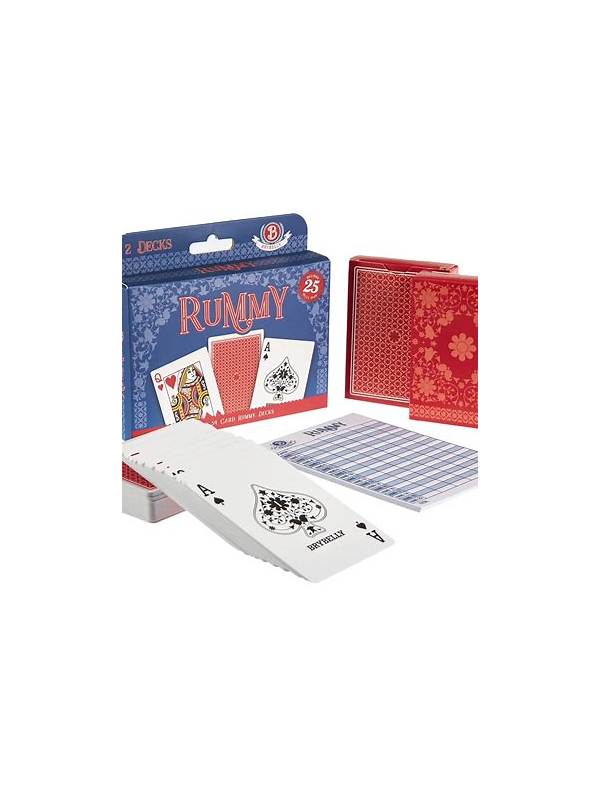
Counting unmatched cards is a simple way to measure how much work a rummy hand still needs. It does not replace the rules or guarantee that a hand can be completed. It gives you a neutral snapshot when several possible plans are competing for attention.
An unmatched card is one that currently belongs to no confirmed combination. A pair may be promising, but until the rules allow it to form part of a valid group or sequence, its members can still be counted as unfinished. Be consistent with the definition you use. Otherwise, the number will change because of language rather than because of the hand.
Suppose your hand contains two confirmed groups, one promising pair, and three isolated cards. Your confirmed groups show progress, but the pair and isolates still represent unfinished decisions. If you focus only on the completed groups, you may underestimate the number of cards that need improvement. The unmatched count reminds you to ask whether the next draw can meaningfully reduce that burden.
Track the count after each draw and discard. A good move may lower the count, but a move that keeps the count unchanged can still improve flexibility or reduce point exposure. Conversely, a lower count is not automatically better if the new group is illegal or depends on a very narrow card. Use the count as a signal, not a score.
The count is especially useful when comparing two discards. If removing one card leaves a broad, low-cost hand while removing another creates several isolated high cards, the first option may be more resilient even when both show the same number of unfinished cards. Add quality, connection breadth, and legal validity to the count.
After a round, compare your estimates with what actually happened. Did a high unmatched count warn you early? Did you ignore an isolated card because a pair looked attractive? Over time, this record teaches you which unfinished structures deserve patience and which are merely consuming space. The practice is quick, objective, and suitable for both casual and deliberate play. If your rules use a different hand size or scoring system, adapt the count without changing its purpose. Record the rule beside your notes so comparisons remain fair. Compare the count before and after a discard, then inspect what replaced the unfinished cards. A legal, flexible structure matters more than a smaller number created by a fragile guess.


