
Rummy Safety: Set Spending and Time Boundaries Before Play
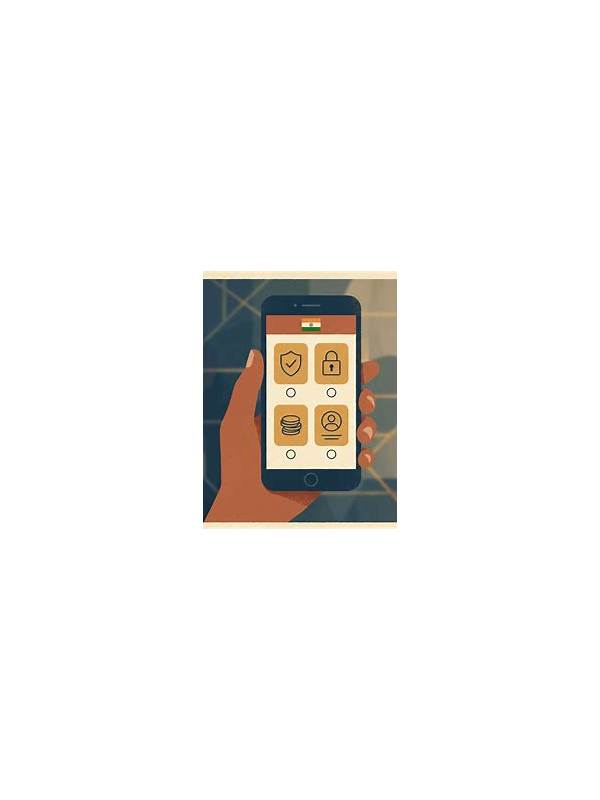
Before joining any rummy session, decide what amount of money and time you are willing to use. Make the decision while calm, away from the pressure of a close hand or a recent loss. A boundary made in advance is easier to follow because it does not depend on your mood at the table.
Start with a total budget that you can afford to lose without affecting rent, food, bills, savings, or responsibilities. Never borrow to play, and do not treat a bonus or promotional balance as free money. Read the platform’s current terms for deposits, withdrawals, fees, and eligibility. Laws and availability differ by location; follow local requirements and the service’s rules.
Set a time limit as well as a spending limit. Use a real alarm, not a promise to stop after “one more game.” Decide what happens when the alarm rings: leave the table, record the result, and take a break away from the screen. If you feel rushed, irritated, or determined to recover a loss, that is a reason to stop earlier.
Create a loss boundary before play begins. A loss boundary is not a target to chase. It is a hard stopping point. Do not increase stakes after reaching it, and do not make a new deposit to continue the same session. If the platform offers deposit, wager, or session controls, enable them before starting. Keep payment methods protected and never share one-time codes or passwords.
Separate entertainment money from essential money. A simple note can record the session start time, planned limit, actual result, and stopping reason. The purpose is awareness, not self-criticism. If you repeatedly break limits, hide play, experience financial stress, or find it difficult to stop, seek help from a trusted person or a qualified local support service and take a longer break.
Good play includes the ability to leave comfortably. Boundaries protect that ability. They also make decisions clearer because the session has a defined shape. Skill cannot guarantee a result, so the safest plan assumes variance and keeps the cost of entertainment known before the first card is drawn.
Do not use a win as permission to extend the session. A boundary applies to the whole plan, including favorable results. If you want to continue another day, close the session, record the result, and make a new decision after a genuine break.


