
Rummy How-To: Organize a Hand by Card Roles
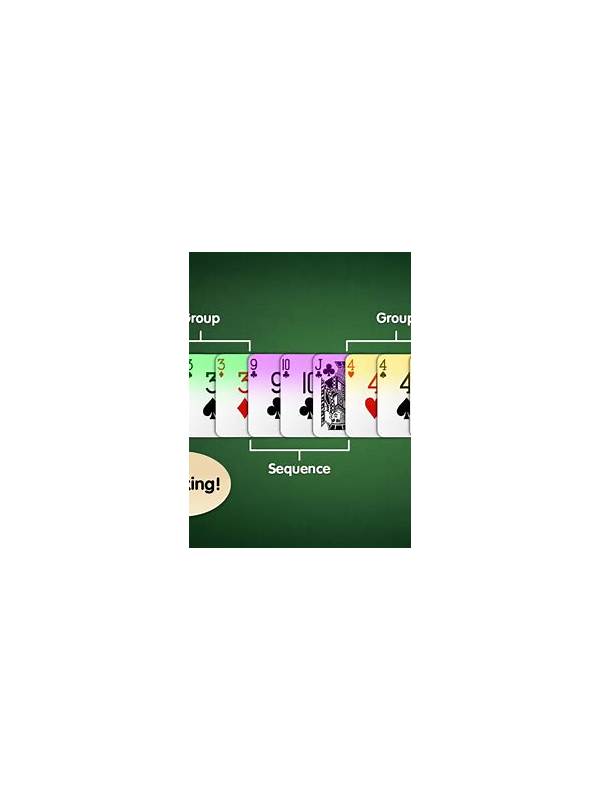
Visual order can be misleading. A hand sorted only by suit or rank may look tidy while hiding which cards are secure and which are merely being kept out of habit. Organizing by role creates a clearer decision map without changing any cards.
Start with secure groups. These are completed sequences or sets that already satisfy the relevant rules. Keep them visually separate from cards still under consideration. Next create a flexible group for cards that support more than one route, such as a middle card that can join a sequence on either side. Flexible cards deserve attention because discarding them may close several options.
Then isolate speculative links. A speculative link is a pair or partial group that needs a particular card or sequence of events. Mark how many realistic helpers it has. Do not let a speculative link sit beside a secure group and borrow its confidence merely because the cards are close together.
Finally create an unmatched area. Put isolated high cards, duplicate cards with no clear use, and cards that belong to abandoned plans there. This area is not a failure; it is a queue for review. Look first for cards with high penalty and low flexibility, then consider whether any can be converted into a fallback.
After sorting, ask four questions. Is the required pure sequence protected? Which role has the most replacement options? Which card has the highest cost if held for two more turns? What would change if the next draw is unhelpful? These questions turn a visual arrangement into an actionable plan.
The categories should change during a hand. A flexible card can become secure after a draw, while a speculative pair can become unmatched when its helpers disappear from the visible pool. Re-sort briefly after important draws rather than defending yesterday’s classification.
This method is especially useful on small screens, where a crowded row makes cards easy to confuse. It also helps after a loss: you can review whether a card was kept because of its actual role or because it looked close to something. Clear roles produce calmer, faster choices and make the final validity check easier.
Use neutral labels when practicing: secure, flexible, speculative, and unmatched. Avoid labels such as lucky card or must keep, which hide assumptions. Neutral language makes it easier to change a card’s role when new evidence arrives.


