
Rummy FAQ: Why Does a Good Draw Still Need a Review?
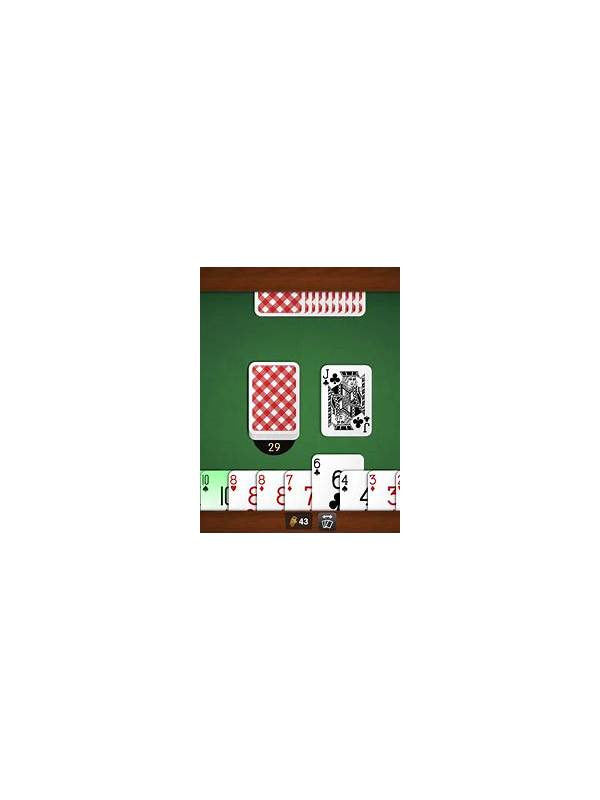
A good draw is encouraging, but it is not automatically the correct final arrangement. The card may complete one group while leaving a required sequence missing, increasing the number of unmatched cards, or making the remaining plan dependent on an unlikely follow-up. A quick review protects the benefit of the draw.
First identify exactly what improved. Did the card complete a valid sequence, create a set, or simply add another card near a pair? Use precise language. “The hand feels better” is not enough to decide what to keep. A completed group has a different value from a new possibility.
Next inspect what the draw displaced. Every draw normally requires a discard or a reorganization. Compare the released card with the structure you gained. If you broke a flexible group to create a narrow one, the improvement may be smaller than it appears. If the new group protects the required foundation and lowers penalty, it may be substantial.
Check the remaining cards independently. A strong group does not make an invalid group valid. Confirm suit continuity, rank order, distinctness where required, and the correct treatment of jokers. Rules vary by format, so use the table’s current explanation rather than relying on memory.
Finally ask what the next unhelpful draw would do. If the hand remains safe, the draw has created a robust improvement. If everything now depends on one more exact card, mark that route as narrow and set a deadline. This prevents excitement from hiding a new form of fragility.
The review should take seconds, not minutes. Name the gain, price the change, check validity, and identify the fallback. Good draws deserve attention because they can unlock a hand, but a review ensures they actually improve the whole position rather than only one attractive corner.
If time is short, use a compressed version: name the completed group, locate the required foundation, and identify the most expensive leftover. If any answer is unclear, delay the declaration long enough to inspect the hand again. A few seconds of verification can prevent a preventable penalty and leave you with a more reliable record of what the draw accomplished.
The habit is simple, repeatable, and useful in both practice and competitive settings.


