How to Build a Rummy Table Observation Routine
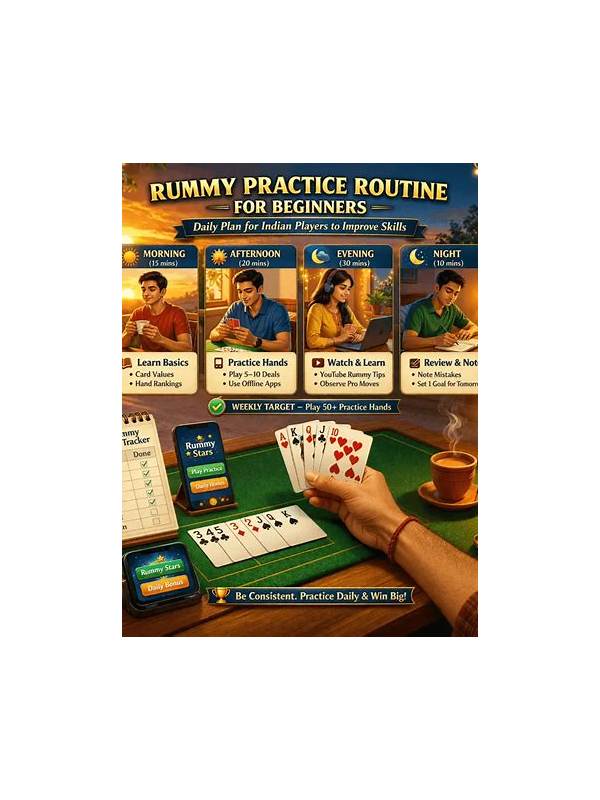
Observation can support better rummy decisions, but it works best when it stays limited to visible facts. A routine prevents players from turning one discard or one slow turn into a confident story about an opponent. The purpose is to notice information that affects your own choices while leaving speculation out of the process.
Begin with the open discard. Ask what card was taken, what card was released, and whether that action changes the availability of a card you were considering. Record only what you can actually see. Do not assume that a player rejected every possible use of a card simply because they discarded it. Their hand may contain a route you cannot observe.
Then watch tempo in a neutral way. A player who acts quickly may be familiar with the interface, or they may have had an obvious decision. A long pause may indicate a difficult hand, a distraction, or a connection issue. Timing is evidence about the table’s pace, not proof of hand strength. Use it to manage your own clock and attention rather than to predict a hidden hand.
After each round, choose one observation to review. For example, you might compare your assumption about an open discard with the cards that remained visible later. Ask whether the observation changed a decision, or merely made the hand feel more dramatic. This distinction helps prevent confirmation bias, where only memorable actions are treated as meaningful.
Keep your routine short: open discard, visible replacement, table pace, and one personal consequence. If an observation has no effect on your legal groups, draw choice, or discard risk, set it aside. Good observation supports calm decisions. It does not require tracking every action or inventing motives for people you cannot see. You can practise the routine away from a live table by using a recorded round or a set of face-up cards. Cover information that would not have been visible at the time, then make your observation from the remaining evidence. This exposes how easily hindsight adds details. It also teaches a useful boundary: observe enough to improve your choices, but not so much that the table becomes a collection exercise. A small number of reliable facts is usually more useful than a large number of uncertain interpretations. Keep the routine proportional to the situation. In a casual practice round, one observation may be enough. In a formal review, you can note the sequence of visible changes, but still separate facts from interpretation. The habit is strongest when it improves one decision and then stops.