Rummy Safety: Create a Break Plan for Screen Fatigue
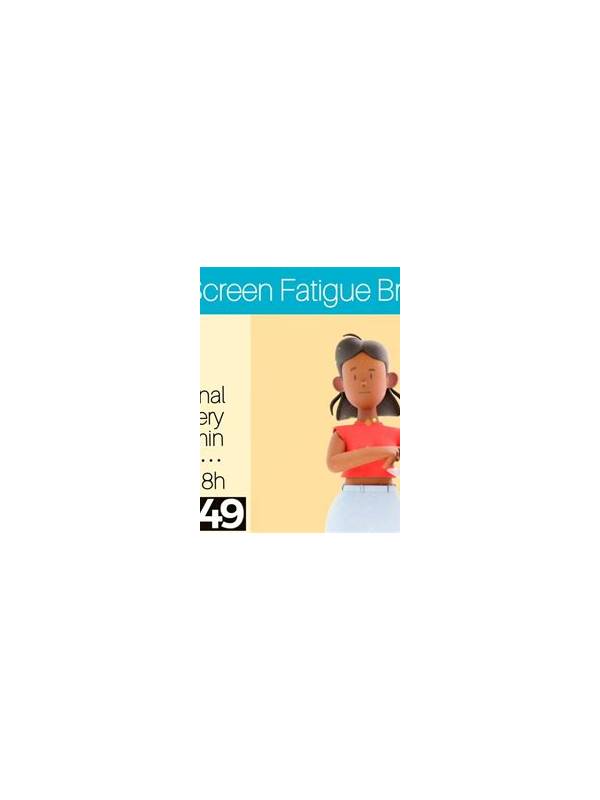
Screen fatigue can make a manageable hand feel confusing. Dry eyes, stiff shoulders, and reduced attention also increase the chance of clicking the wrong control or missing important information. A break plan is therefore both a comfort habit and a decision-quality habit.
Set the plan before starting. Choose a session length and a break interval that fit your day, then use a timer if the application does not provide a reliable reminder. A break should be scheduled even when a round is going well. Waiting until you feel exhausted makes the boundary harder to follow.
When the reminder arrives, finish the current safe point if the format allows it, then step away from the screen. Look at a distant object, blink normally, drink water, and move your neck and shoulders gently. Do not replace a game screen with another bright screen and call that recovery. The purpose is to change visual distance and posture.
Adjust the environment too. Reduce glare, keep the display at a comfortable distance, and increase text size if you are leaning forward. Keep both feet supported and avoid holding the phone in one fixed position for a long period. Comfort changes can reduce the urge to rush through a hand.
Watch for warning signs: burning eyes, repeated yawning, headache, blurred focus, or reading the same card twice. If these appear, end the session rather than negotiating with the timer. A missed opportunity to play is less costly than continuing while attention is unreliable.
Record whether breaks helped. If you return more alert, keep the routine. If fatigue appears sooner, shorten the next block. A good break plan is flexible about timing but firm about the principle: physical discomfort and mental fog are reasons to pause, not challenges to overcome.