Rummy FAQ: Is a Near Sequence Always Worth Keeping?
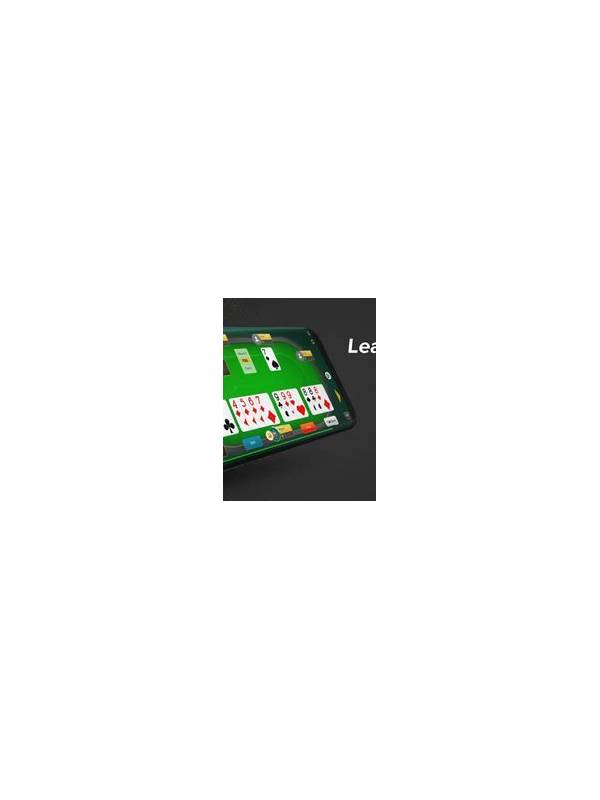
A near sequence looks encouraging because the cards already sit close together. It is not always worth keeping, though. The missing connection may be narrow, the cards may conflict with a required pure sequence, or the same space could support a stronger route.
First, identify exactly what is missing. A two-card run may need one of several connectors, while a wider gap may need a precise card or multiple steps. The difference matters. Do not describe both situations as simply “almost complete.” Their practical flexibility can be very different.
Check whether the sequence is pure if that structure is required. A near run containing a joker or wild card may be useful, but it may not satisfy the same requirement as a pure sequence. If the hand still lacks a pure route, protect cards that can meet it before treating the near sequence as secure progress.
Look for overlap with other groups. A card may be part of the near sequence and also the only useful member of a potential set. When routes compete, compare their completion requirements and their effect on the rest of the hand. Keeping both ideas without a deadline can leave too many unresolved cards.
Consider the penalty if the sequence fails. Low connected cards may be relatively safe to test, while high cards in a narrow sequence can become expensive. This does not make high cards automatically wrong; it means they need a clear review point and a reason to remain.
Use a deadline based on evidence. If the next draw creates a connector or improves the route, continue. If several turns pass without support and a more flexible alternative appears, reassess. The deadline should become shorter as the hand approaches its end.
Finally, remember that a near sequence is a tool, not a promise. It can be the best route in one hand and a distraction in another. Keep it when it offers realistic completion, satisfies an important structural need, and does not block a better alternative. Otherwise, release it calmly and use the space to improve the hand’s overall shape.
The same review applies when a sequence appears attractive because it uses familiar ranks. Familiarity is not evidence of completion. Let the missing card, the remaining turns, and the hand’s legal needs determine its value.
When uncertainty remains, compare the near sequence with the best alternative route and set a clear review point. That keeps a useful possibility alive without allowing it to become permanent clutter.