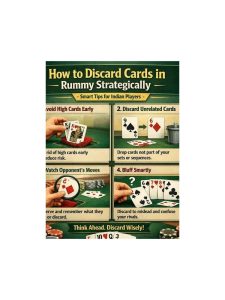
Rummy Comparison: Discarding for Structure Versus Points
Discarding for structure and discarding for points are two different priorities. Structure-first play removes a card that blocks, duplicates, or weakens the best route. Points-first play removes a high-value liability before it becomes expensive. Neither priority is always correct.
The same card can change categories during one hand. A high card that initially supports a promising run may become a points-first discard after several misses. A low card that looked expendable may become structure-critical after a connector arrives. Reevaluate roles instead of defending the first label.
Choose structure first when the hand has a clear legal route and one card is preventing it from forming. A low-point card can be the right discard if it is isolated and the rest of the hand needs its position or connection. Protecting a better structure may reduce future waste.
Choose points first when the hand is unsettled, the high cards have no credible route, or the format makes penalty exposure especially important. A beautiful-looking pair is not enough reason to keep an expensive card. Ask how many realistic improvements remain and what happens if they do not arrive soon.
The two priorities can conflict. A high card may connect two groups, while a low card may complete a useful route for an opponent. Compare the full consequence: point value, your own flexibility, visible information, and the chance that the discarded card helps another player. Avoid reducing the decision to one number.
Timing is a major factor. Early in a hand, preserving structure may deserve patience because there is time to test it. Later, points-first decisions become more urgent if a route has not improved. Conversely, discarding a key connector late can destroy the only remaining completion path.
Use a short decision question: “Am I solving the hand’s biggest structural problem, or am I reducing its biggest penalty risk?” If you cannot answer, sort the cards again before discarding. The question exposes whether you are switching priorities without noticing.
Review close decisions after practice. Record which priority you used and whether the hand had enough evidence to support it. Over time, you may find that you discard high cards too quickly or protect attractive groups for too long. The goal is a deliberate balance, not a permanent rule for every hand.
When two discards remain close, choose the one whose role is easier to explain and review. A clear reason makes later learning possible. If you cannot remember why you selected a card, the decision may have been driven by surface appearance rather than the hand’s actual priorities.