Rummy Guide: Challenge Confirmation Bias in Card Decisions
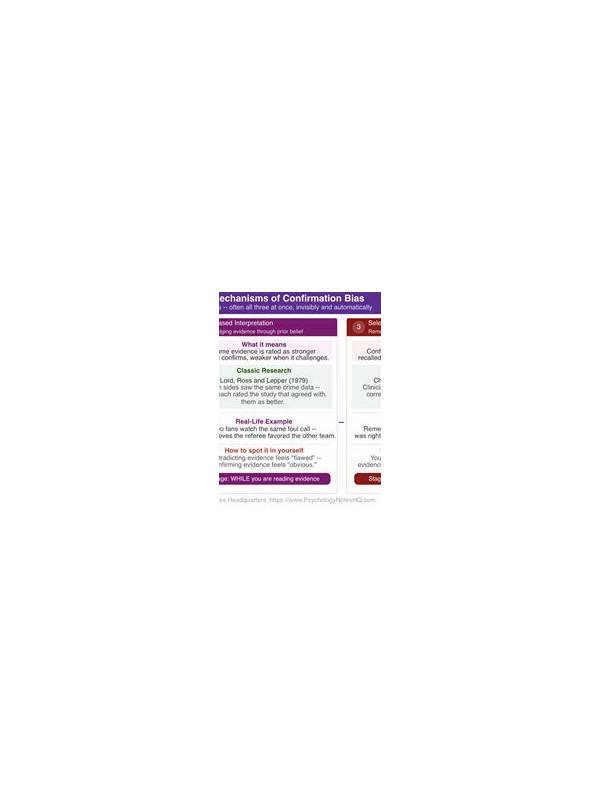
Confirmation bias appears when a player notices evidence that supports an early plan and quietly ignores evidence that weakens it. In rummy, this often begins with one appealing pair or a nearly complete sequence. The player starts looking only for cards that complete that idea. Every unrelated draw is treated as bad luck, even when it is useful information about the hand’s actual shape.
The remedy is not to distrust every plan. It is to test a plan at regular points. After arranging your cards, state the idea in neutral language: “This group is one possible route.” Avoid saying that it is the route. That small change keeps the plan provisional and leaves room for comparison.
Next, name the evidence that would weaken it. Perhaps the route needs one narrow card, competes with a stronger sequence, or leaves several high-point cards loose. Write or say one condition that would make you release the idea. A plan without an exit condition tends to survive simply because you have already invested attention in it.
When a new card arrives, ask three questions. Did the card improve the route? Did it improve another route more? Did it reveal that the original route has a higher repair cost than you thought? These questions separate the card’s effect from your emotional reaction to receiving it. A miss is not automatically a disaster, and a hit is not automatically proof that the original plan was best.
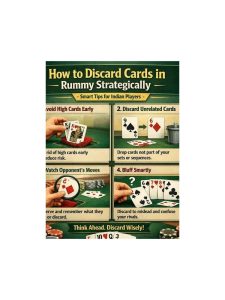
Discard decisions benefit from the same discipline. Before releasing a card, consider one reason to keep it and one reason to let it go. If the keep reason is only “it might help,” compare that possibility with a concrete alternative. A card that supports two realistic groups may deserve attention; a card that merely resembles a useful card may not.
Finally, review decisions rather than outcomes. A plan can be sensible even if the needed card never appears. It can also be weak even when a fortunate draw completes it. By recording the evidence available at the time, you train yourself to update calmly. Confirmation bias becomes easier to spot when you deliberately ask what would have changed your mind.
This habit is valuable in both practice and competitive settings. It does not require predicting an opponent or estimating exact odds. You are simply checking whether the story you told yourself still matches the cards in front of you. A useful prompt is, “What is the strongest reason this plan may now be weaker?” If you can answer it, you can compare that weakness with the plan’s remaining advantages. If you cannot answer it, pause before investing another turn. Clear questions create flexibility without making the hand feel directionless.