Rummy Tips: Treat the Discard Pile as Evidence, Not a Story
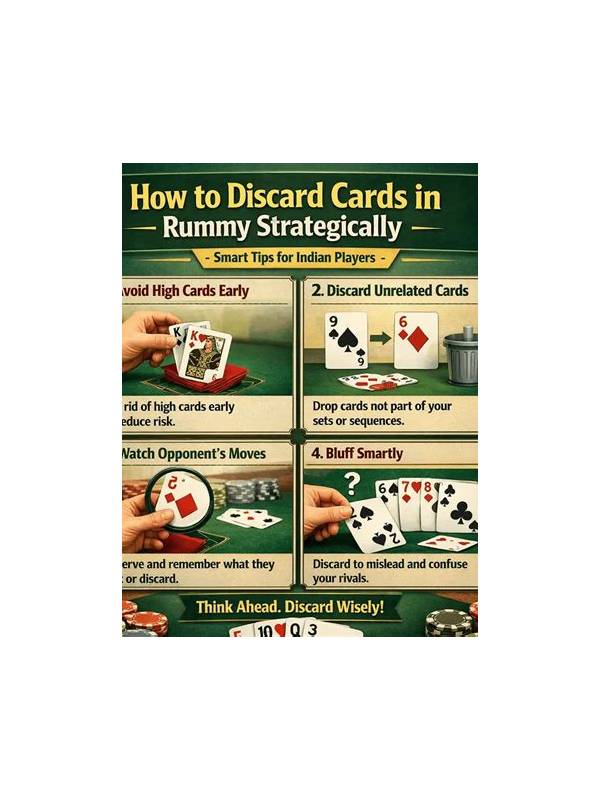
The discard pile contains useful public information, yet players often turn a few visible cards into an elaborate story. They may assume an opponent is collecting a suit, waiting for a rank, or holding a specific pair. Such guesses can distract from the evidence actually available.
Begin with direct facts. Note which ranks and suits are visible, which cards have been taken from the pile if the interface shows that information, and whether a needed card is no longer available in that particular pile. Do not claim to know what remains in hidden hands. The difference between “this card was discarded” and “the opponent does not want this suit” is important.
Use the pile to remove options before using it to select a plan. If a route depends on a visible card that is unlikely to return under the rules, lower its value. If several cards around a rank are visible, inspect whether your own combination is becoming too narrow. This is stronger than trying to identify another player’s exact hand.
Check timing and sample size. One discard may be accidental or forced by a player’s layout. A short sequence of discards can still be ambiguous. Look for repeated, consistent evidence before adjusting a major plan. Even then, keep a backup route because opponents can change direction too.
When choosing your own discard, ask what information you are giving away. This does not mean hiding every useful card at any cost. Compare the value of the card to your hand with the possible information it reveals. A low-value discard that helps an opponent is still a poor choice, but a dangerous high card should not be kept solely to appear unpredictable.
The discard pile is best used as a constraint and a reminder to verify assumptions. Record facts, label guesses as guesses, and return attention to your own legal groups. This approach makes observation useful without allowing an attractive story to replace sound reasoning. A useful discipline is to make the same observation at the end of several rounds: what is certain, what is plausible, and what is unknown? This three-part summary prevents a dramatic discard from dominating your judgment. It also helps you explain decisions later without accusing another player or pretending to possess information you never saw.
When evidence remains mixed, choose the move that preserves your strongest personal route and note the uncertainty. You do not need a perfect read of the table to make a defensible decision based on public information.