Rummy Tips: Avoid Sunk-Cost Thinking After a Bad Draw
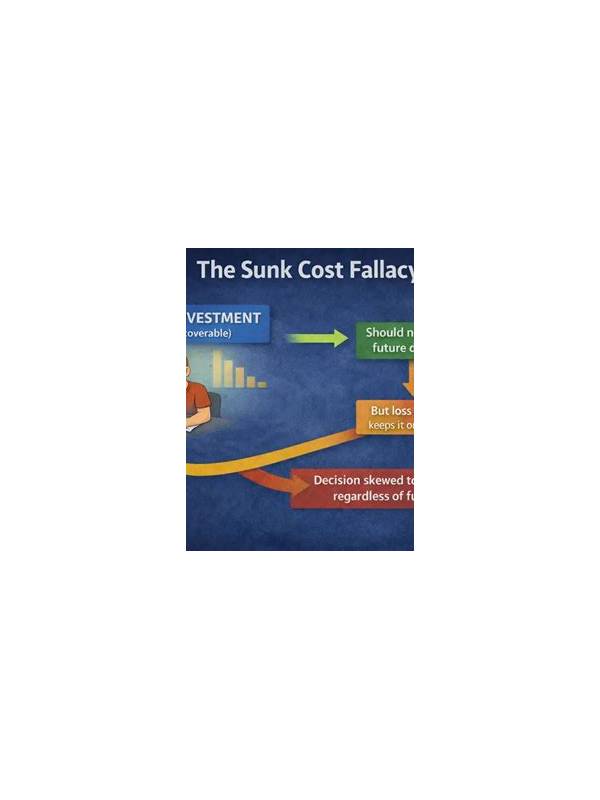
A common rummy trap begins with a reasonable plan. You keep a pair, wait for a connector, and then draw something unrelated. Instead of reconsidering, you keep waiting because you have already invested several turns. This is sunk-cost thinking: past effort is treated as a reason to continue, even when the current evidence has changed.
Use a reset question after an unhelpful draw: “If these were the first cards I saw, would I choose this plan now?” The answer does not have to be yes. The purpose is to compare the hand’s present structure with your original story. If the plan now depends on one exact card, has lost flexibility, or leaves several high cards stranded, it deserves a fresh evaluation.
Separate useful commitments from emotional commitments. A card may still serve a strong sequence, so keeping it can be logical. But a card should not be kept only because discarding it would admit that the earlier choice was imperfect. Every turn is a new decision under new information.
Create a practical exit rule. You might abandon a narrow plan after two missed opportunities, after a key connector appears and is not taken, or when another group in your hand becomes clearly stronger. The exact rule can vary, but decide it before frustration makes the choice. An exit rule turns adaptation into a normal part of play.
When resetting, do not throw away everything at once. Keep the cards with multiple live connections, preserve any required natural structure, and release the weakest commitment first. Then reassess after the next draw. A measured rebuild is usually better than a dramatic reaction to one bad card.
Review the decision afterward without judging the result alone. A plan can be correct even if the needed card never arrives, and a stubborn plan can succeed by luck. Ask whether the evidence at the time justified the commitment and whether you noticed the moment when its value declined.
The goal is not to change plans constantly. It is to let present evidence outrank past effort. When a rummy hand changes, your plan is allowed to change with it.
This principle also protects your mood. You can acknowledge that an earlier choice no longer works without turning that acknowledgment into self-criticism. A calm reset leaves more attention for the cards that are actually available now.
Write the reset as a neutral sentence: “This plan now needs one exact card, so I am comparing alternatives.” Neutral wording keeps the decision about structure rather than pride.