Rummy Tips: Use Simple Probability Language Without Guessing Precisely
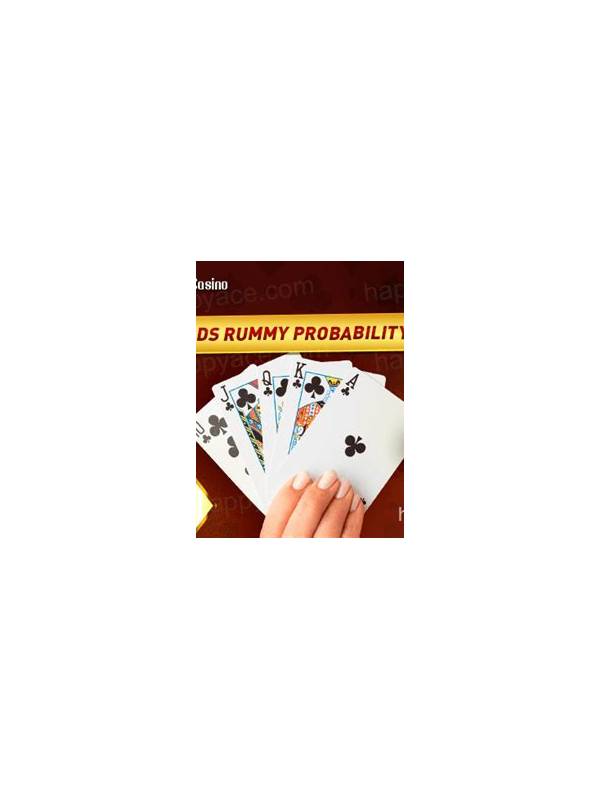
You do not need exact calculations to reason more clearly about a rummy draw. A few consistent phrases can separate strong evidence from a hopeful guess and make your choices less reactive.
Start with “live,” “uncertain,” and “unlikely.” A live card is one that would clearly improve your hand and has not been ruled out by the information available. An uncertain card may help, but you have limited evidence about whether it remains available. An unlikely card is one you need for a narrow plan after several relevant copies have appeared or been declined. These labels are not mathematical odds; they are decision aids.
Count requirements, not wishes. If a plan needs one of several ranks, say “multiple routes remain.” If it needs one exact card, say “the plan is narrow.” This language makes the difference visible even when you do not know the full deck state. It also discourages treating every attractive card as equally reachable.
Use a comparison question: which plan improves if the next card is merely ordinary? A robust plan has several ways to gain value. A fragile plan needs a particular event. When both plans have similar upside, the robust one often deserves priority because it gives you more useful next turns.
Do not reverse the labels after every draw. One missed card does not make a live plan impossible, and one lucky hit does not prove that a fragile plan was wise. Update your assessment gradually as new evidence arrives. This protects you from outcome-based thinking.
Keep the cost visible. A narrow draw may be acceptable if the fallback discard is safe and the hand has time. It may be poor if it requires holding expensive cards or helps an opponent when it fails. “Unlikely but cheap” and “unlikely and costly” are different decisions.
Simple probability language works because it improves communication with yourself. You are not claiming to know the future. You are naming how many ways a plan can succeed, how much evidence supports it, and what happens if it does not. That is enough to make a more measured choice.
The same vocabulary is useful when reviewing a finished hand. Ask whether a plan was live at the time, whether it became narrow later, and whether its fallback was affordable. This separates a sensible process from a lucky outcome and gives you a practical lesson for the next game.
The aim is better calibration, not false precision.