Rummy How-To: Make a Table Information Snapshot
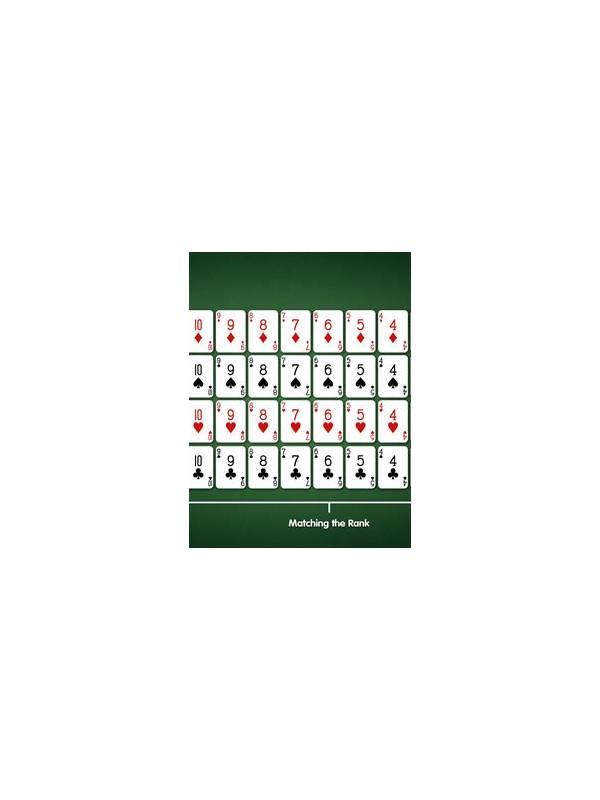
Rummy creates more public information than any player can remember perfectly. A simple table snapshot helps you retain the clues most relevant to your next decision. It is not a complete record of every card. It is a short, updated view of visible discards, repeated interests, and uncertainty.
Begin with the last few meaningful discards. Note rank and suit, but focus on patterns rather than isolated cards. Several cards from one suit may suggest that a route is less contested, or they may simply reflect ordinary play. Treat the pattern as a probability adjustment, not a conclusion about an opponent’s hand.
Add one observation per opponent only when it affects your decision. An opponent repeatedly taking a particular type of card may change how you value a discard. If an action has no clear effect on your own choices, do not spend attention recording it. The snapshot should reduce mental clutter, not become another hand to manage.
Separate facts from interpretations. “Three cards in this suit were discarded” is a fact. “The player has no interest in this suit” is an interpretation that can be wrong. Keeping the two levels separate makes it easier to revise a theory when new evidence arrives. It also prevents one dramatic discard from dominating your judgment.
Refresh the snapshot after a draw, a conspicuous discard, or a change in your plan. Discard old clues when they no longer matter. Good observation is selective and temporary. The snapshot exists to improve the next decision, not to create a permanent narrative about everyone at the table. Do not let the snapshot become a substitute for direct rule knowledge or account safety. It is only a playing aid. If the table has a timer, pause your note-taking before the decision window becomes tight. A brief mental label such as “recent suit discards” may be enough. When the round ends, discard temporary notes that are no longer useful, especially if they include names or identifying details. The best snapshot is small enough to update accurately and flexible enough to be abandoned when your own hand requires attention. Selective memory beats a detailed record that contains guesses, stale clues, and distractions. Keep the snapshot short enough that it never replaces careful attention to your own cards. Use the snapshot only when it improves a real choice in the current hand. The best snapshot contains few facts and no unnecessary personal information.