Rummy Strategy: Compare Two Candidate Discards by Risk
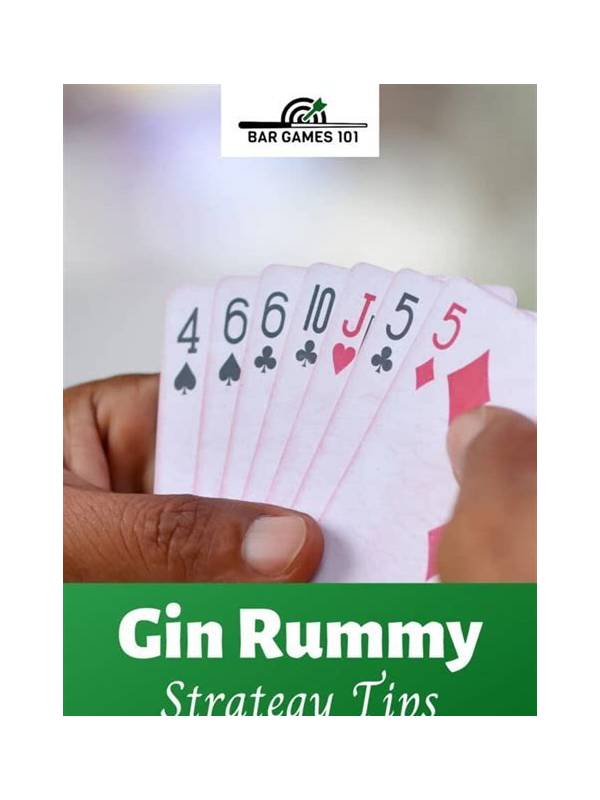
Many rummy turns contain an awkward choice between two cards that do not currently belong to a useful group. The fastest way to decide is not to ask which card looks least attractive in isolation. Compare the risks each discard creates for the rest of the hand.
For the first candidate, ask what cards could improve it. A six of hearts may connect to a five or seven of hearts, while a high card may have fewer practical routes. Then ask how many cards it is blocking. A pair can be valuable because one matching card completes a set, but it can also occupy space that would be better used by a developing sequence. Count possibilities without pretending that every possibility is equally likely.
Now consider the information you have already seen. If neighboring cards for one candidate appeared in the discard pile, its potential is weaker. If you discarded or observed several cards of the same rank, a set may be less realistic. Visible information does not reveal the whole deck, but it can change which of two plans deserves another turn.
The second comparison is defensive. Which card would be more dangerous to give to another player? A middle card can connect in several directions, while an isolated ten or face card may be less useful. However, do not follow a universal rule that high cards are always safe. Your opponent’s visible pickups and discards are more relevant than the card’s printed value.
Finally, compare flexibility. If discarding one card leaves two independent routes and discarding the other leaves only one, the flexible option may deserve protection. The exception is a hand that needs immediate point reduction or has a clear declaration plan. In that case, a lower-risk, lower-value discard can be better than preserving a speculative connection.
Use this process quickly: improvement routes, visible evidence, opponent risk, and remaining flexibility. You will not always choose the winning discard, because hidden cards decide many hands. The goal is a repeatable decision that can be reviewed afterward without blaming luck for every result. It also helps to name the reason for the discard in one phrase, such as “narrow route” or “unsafe connector.” That label makes later review easier. If the card succeeds for another player, you can examine whether the risk was visible at the time instead of judging the decision only by its consequence. This method is especially useful when both cards have similar points. The better discard is often the one that leaves a clear next step, not the one that merely looks least valuable for a single turn.