Rummy Tips: Read the Discard Pile Without Overreading It
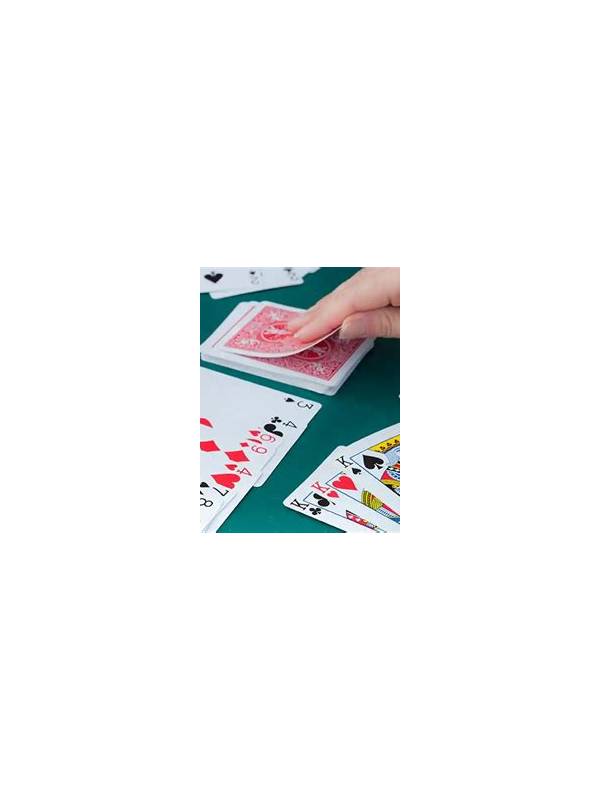
The discard pile is useful evidence, but it is not a complete picture of another player’s hand. A card may have been thrown because it was unwanted, because a player changed plans, or because the rules and timing made it the least harmful option. Treating every discard as a message can make your own play rigid.
Begin with recent information. The latest few discards are usually more relevant than cards from many turns ago because plans change. Notice repeated ranks, suits, and connected cards, but do not convert one observation into certainty. If several cards from one suit have appeared, that may reduce one player’s interest in the suit, yet another player may still be building it.
Separate direct clues from assumptions. A player taking a card from the open pile tells you that the card had immediate value to them, but it does not reveal the exact group they intend to make. A player declining a card tells you even less. They may have had a better draw, lacked space, or been protecting a different arrangement.
Use the pile in two ways. First, avoid giving away a card that obviously completes a common sequence when you have a comparable discard. Second, use visible cards to update your own probability estimate. If the cards you need are repeatedly visible, lower the value of waiting for them. This is a decision aid, not a prediction machine.
Keep your own plan primary. Before discarding, ask whether the move improves your hand, reduces points, or preserves a valid structure. Only then ask what information the discard gives others. When the evidence is weak, choose the move that remains sensible under several possible opponent hands. Good table reading narrows uncertainty; it does not remove it.
The pile is also shaped by chance, table order, and changing plans. A card that remains visible is not automatically safe, and a single pickup rarely proves an exact opponent strategy. Observe quietly, use only information the rules provide, and keep your own hand as the main source of decisions.
Treat every clue as a small update rather than a verdict. A recent discard can change your estimate, but it should rarely erase a plan that is already strong. Ask whether the clue affects your hand, an opponent’s likely hand, or both. If it affects neither, ignore it. This keeps observation from becoming distraction and leaves room for ordinary randomness, which is always part of a card game.