Rummy FAQ: How Can Beginners Avoid Rule Assumptions?
Beginners often know the broad idea of rummy but assume that every platform uses identical rules. That assumption can affect declarations, jokers, scoring, turns, and even what counts as an invalid action. The safest habit is to verify the rule set attached to the table you are actually joining.
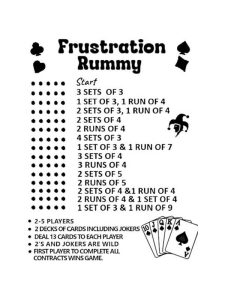
Start with the hand structure. Confirm the number of cards dealt, the number of decks, the number and type of jokers, and the order of drawing and discarding. Then check the declaration requirement. Some formats require a particular number of pure sequences; others may use different group conditions. Do not rely on a memory from a family game or another app.
Read the scoring section before playing for money. Learn the value assigned to face cards, aces, jokers, and ungrouped cards. Check the maximum penalty, entry fee, and whether a missed turn or invalid declaration has a special consequence. If the rules are difficult to find, use a free practice table or contact official support before making a deposit.
Pay attention to interface signals. A highlighted card may indicate selection, not confirmation. A timer may continue while a dialog is open. Some tables ask you to confirm a declaration; others submit it immediately. Learn the difference between drawing from the closed deck and taking the visible discard. These small details cause more beginner errors than complicated strategy.
Keep a personal rule note for each platform, but label it clearly so you do not mix formats. After a session, update only items you verified from the official rules or an observed table action. If another player gives advice in chat, treat it as an opinion until confirmed. Rule awareness is part of skill: it keeps your decisions legal, your expectations realistic, and your play safer. When a rule is still unclear, do not guess during a paid hand. Save the question, find the official explanation, and practice only after you understand the consequence. A few minutes spent checking terms can prevent an avoidable declaration penalty and gives beginners a more accurate foundation for strategy. Beginners can keep a separate note for rules that are confirmed and questions that remain open. That distinction prevents an uncertain memory from turning into advice for someone else or a costly action at a live table. This habit is useful beyond rummy. Clear rule checking helps with account terms, payment limits, privacy settings, and responsible-play tools. Good preparation protects both the quality of play and the player.