Rummy Connection Quality: Prefer Cards With More Than One Job
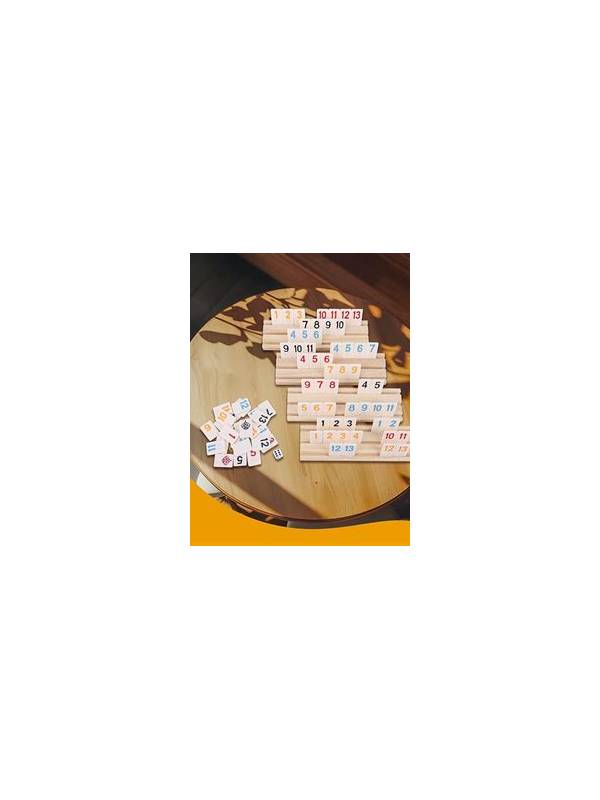
Some cards are useful because they fit one obvious group. Others are valuable because they can support several arrangements while you wait for more information. Calling a card “flexible” is only helpful when you can explain the jobs it might perform and the cost of keeping it. A flexible card that fits nothing else is simply an uncommitted card.
List the card’s realistic roles. It might extend a same-suit run on either side, complete a set with matching ranks, or connect two cards already in your hand. Do not count arrangements that would violate the rules or require moving too many secure groups. A card has two possible roles only if both are available in the context of the entire hand.
Then compare timing. One role may complete a group immediately, while another may require two future cards. Immediate completion is usually easier to value, but a future role can be better when it protects a required structure. Write the possibilities mentally as “one secure use and one narrow use,” rather than treating them as equal chances.
Check the card’s point cost and opportunity cost. Keeping a medium card may be reasonable if it preserves several low-risk paths. Keeping a high card for one remote possibility is often harder to justify. Also ask what card you are forced to keep or discard because this flexible card occupies space. Flexibility should expand choices, not prevent you from making a clean arrangement.
Reassess after each draw. A card that had three roles can become one-role card when a connector appears or a needed rank is discarded. Do not protect an old label after the evidence changes. If no role is improving and the card is costly, release it and rebuild around the remaining structure.
Connection quality is a context skill. Count realistic jobs, compare their timing, measure their cost, and update the count as the hand changes. This method avoids both extremes: discarding every card that is not complete and keeping every card that might someday become useful. An additional check is whether the card helps you make a decision now. If it merely keeps several vague stories alive, its flexibility may be psychological rather than practical. Choose the role you can explain, keep the strongest one, and let the weaker possibilities go when the hand demands a clear direction.