Rummy Strategy: Use a Two-Question Discard Test
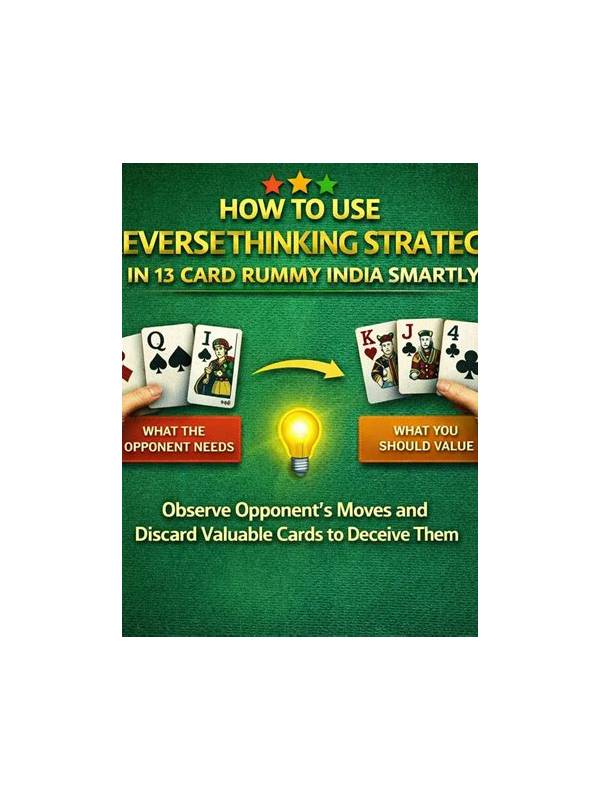
A discard decision can become difficult when several cards look almost useful. A two-question test helps you choose without pretending to know the future. Ask what the card does for your hand now, then ask what the discard may offer to another player.
The first question is about structure. Does keeping the card complete a group, create multiple sequence paths, or support a required natural arrangement? If it does none of these, its value may be mostly imaginary. Compare it with the other candidates and identify the one that leaves the fewest realistic improvements behind.
The second question is about exposure. Is the card a common connector, a card recently collected by an opponent, or a high-value card that you are happy to remove? A visible risk should influence a tie between two otherwise similar discards. It should not force you to keep a damaging card forever.
When both questions point in the same direction, the move is usually clear. When they conflict, give priority to your own hand unless the opponent clue is unusually strong. A card that keeps your hand alive can be worth discarding even if it might help someone else. The purpose of the second question is to break ties, not to create paralysis.
After the turn, record the two answers in a sentence. This creates a useful review trail: “I discarded X because it had no live group and Y was the only clear exposure.” Over time, you will see whether your trouble comes from overvaluing remote draws, underestimating open-pile clues, or failing to count the rules of the format.
The test is intentionally small. It does not ask you to calculate every possible hand or guess an opponent’s exact cards. If the answers are tied, preserve more legal arrangements or reduce point exposure according to the format. Consistency gives you a useful baseline for later improvement.
Once you have used the test for several hands, refine it only if the records show a recurring problem. You might add a question about the open pile or a deadline for narrow draws. Avoid adding so many conditions that the test becomes another source of delay. A small tool that you use consistently is more valuable than a detailed tool you abandon under pressure.
Review whether the card has a second route, not whether it has a story. A story says the card could connect if several things go right. A route identifies a specific group and the cards that can complete it. This vocabulary is simple, but it helps separate a plan that can be tested from a hope that is difficult to challenge.