Indian Rummy FAQ: What Is a Bridge Card?
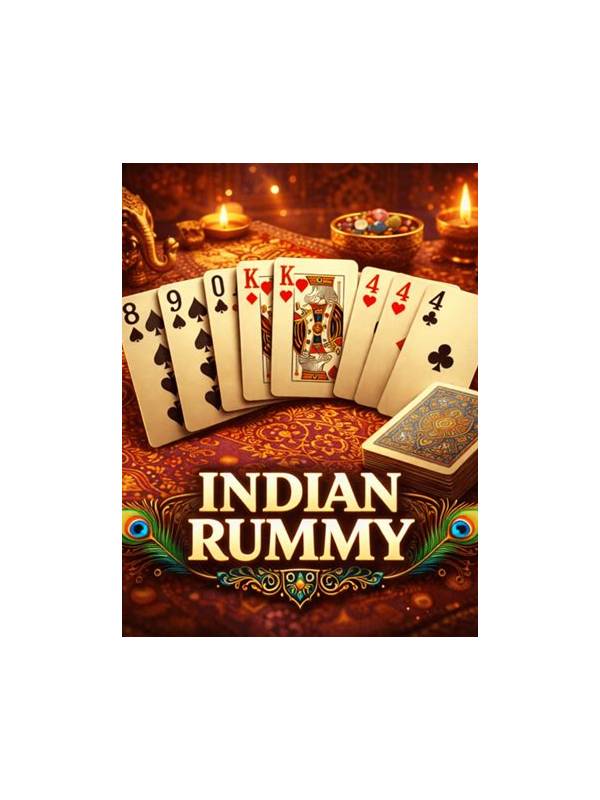
A bridge card is a card that can help connect two parts of a rummy hand or support more than one possible layout. For example, a middle-ranked card may extend a sequence on either side, or a same-rank card may fit into a set while also preserving a sequence idea. Bridge cards are useful because they keep options open.
Not every flexible card is a good bridge. A card has practical bridge value only when the routes it connects are credible. If one route requires two exact unseen cards and the other breaks the only pure sequence, the card is not providing as much flexibility as it appears to. Evaluate the destinations, not just the number of arrows pointing from the card.
Bridge cards are most important before the hand’s required structures are secure. They can protect against an unlucky draw by leaving several ways to reorganize. Once the key requirement is complete and the remaining cards have clear roles, a bridge may be less valuable than a high-point loose card that needs to be discarded.
A common mistake is collecting too many bridges. Holding every card with two possible jobs can prevent the hand from committing to a finish. Use a limit: keep a bridge when it protects legality, connects two strong routes, or has a low replacement cost. Release it when its routes have become narrow or when another card performs the same job more efficiently.
The discard pile gives bridge cards context. If one of the connected routes has lost several required cards, the bridge’s value falls. If an available discard completes one route while leaving the other intact, it may be worth taking. Remember that visible information is useful only if the rules and table behavior make the route plausible.
A bridge card is therefore a tool, not a guarantee. Ask: what does it connect, how many useful draws can reach either destination, and what important structure would be damaged if I used it elsewhere? Those questions turn a vague feeling of flexibility into a practical decision. Keep bridges that buy genuine choices, and let go of those that merely postpone commitment.
The term is also useful when reviewing a finished hand. Check whether the routes connected by a retained bridge were actually viable. This turns a general lesson about flexibility into a concrete record of which bridges helped and which consumed space.
When a bridge is released, notice whether the hand becomes simpler or merely weaker. Simplicity is useful when it removes a dead end; it is harmful when it removes the only route to a requirement. This check keeps the concept tied to practical progress.