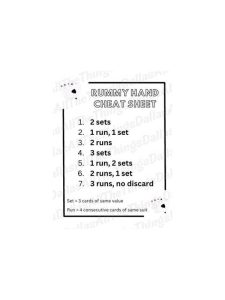
Rummy Comparison: Table Speed Versus Decision Quality
A calm player can still be efficient: preparation reduces the need to deliberate from zero on every turn. Efficiency should come from familiarity with a sound process. It should never depend on making other players uncomfortable or hiding important table information.
A quick table can feel exciting, while a slow table can provide more time to inspect options. Neither speed is automatically better. The useful comparison is between the pace of play and the quality of decisions it permits. A player who acts quickly with a reliable routine may outperform a player who pauses often but reviews the wrong information.
Fast play rewards preparation. When the hand is familiar and the choice is clear, a short scan of legality, route, and discard risk may be enough. Speed becomes dangerous when it is used to escape uncertainty. Automatically taking a visible card or throwing the first uncomfortable card can create errors that were avoidable with a few seconds of attention.
Slower play supports deeper comparisons, especially when a hand contains several competing routes. It allows you to count relevant cards, check a pure-sequence requirement, and consider what a discard might reveal. However, extra time can also encourage invented stories about opponents or repeated reconsideration without new evidence. More thinking is not the same as better thinking.
Use a two-level routine. For ordinary turns, perform a quick scan: rules, immediate fit, and safest useful discard. For complex turns, switch to a deeper review that compares two routes and states what evidence supports each. This keeps routine decisions efficient while reserving attention for genuinely difficult choices.
Review pace separately from results. Ask whether a fast move skipped information and whether a slow move produced a useful distinction. If the answer is no, adjust the routine rather than chasing a target number of seconds. The best table speed is the one that leaves enough attention for legal, proportionate, and explainable decisions. Table speed can also affect communication and accessibility. Players who need more time to read a screen or process a new card should be able to use available settings or choose a suitable format. A respectful pace supports clearer play for everyone. If the environment rewards rushing beyond reasonable attention, stepping away is a valid choice. No result is worth ignoring a platform’s rules or your own limits. Measure improvement by fewer avoidable errors and clearer reviews, not by acting before everyone else.