Rummy Comparison: Reviewing by Turn Count or Card Count
Players often say a hand is “running out of time,” but time can mean two different things: the number of turns available or the number of cards still needing a home. Comparing these measures gives a clearer picture. A hand may have many cards grouped but few turns left, or many turns left with a structure that requires too many changes.
Start with card count. Count secure cards, cards in plausible groups, and isolated cards. This is not a prediction of the final result. It is a snapshot of how much work the hand still needs. If several cards are isolated, prioritize a plan that reduces uncertainty rather than adding another speculative route. If most cards are grouped, a small connector may deserve a careful trial.
Then estimate turn count using the format’s rules and current table position. Include the time needed to draw, inspect, and discard, but do not pretend to know the exact number when the table can change. A plan that needs three specific improvements is weaker when only one or two practical turns remain. Earlier in the hand, you can afford a controlled experiment; later, favor clarity and rule compliance.
Compare the two measures directly. If card work is high and turn time is low, simplify immediately. If card work is low but the hand still has turns, protect the completed structure and improve the weakest remaining card. If both are high, identify the single change that reduces the most risk. This prevents you from using one comfortable measure to ignore the other.
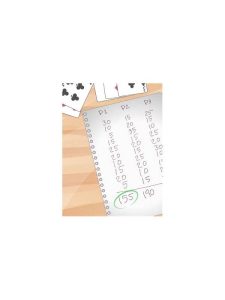
Record the comparison after practice. Note the turn number, the approximate number of unresolved cards, and the action you chose. Review whether you made a major change too late or stayed conservative when there was room to test. Turn and card counts are planning tools; they do not replace judgment, but they make the pressure in a hand easier to describe and manage.
Be careful when comparing hands from different formats. A thirteen-card hand, a two-deck game, and a tournament round may have different rules, turn limits, or scoring pressures. Record the format beside your counts so that a lesson does not travel to a setting where it no longer applies. If the table changes pace or the platform gives new information, update the count rather than defending the original estimate. Planning is useful because it can be revised. Be careful when comparing hands from different formats. A thirteen-card hand, a two-deck game, and a tournament round may have different rules, turn limits, or scoring pressures. Record the format beside your counts so that a lesson does not travel to a setting where it no longer applies. If the table changes pace or the platform gives new information, update the count rather than defending the original estimate. Planning is useful because it can be revised.