Rummy Comparison: Visible Risk and Hidden Risk in a Hand
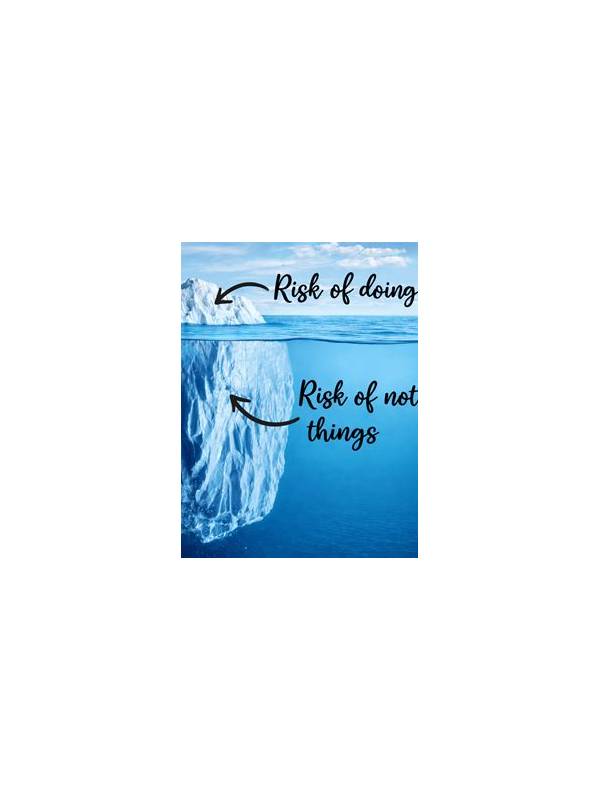
Rummy decisions often focus on visible risk: a high card, an exposed pair, or a discard that another player may use. Hidden risk is less obvious. It includes a hand that depends on one exact draw, a group that cannot be rearranged, or a plan that leaves no safe discard later.
Visible risk is easier to name. High cards create point exposure if they remain stranded. A card that matches a pattern in the discard pile may help another player. A broken sequence can remove a useful foundation. These risks deserve attention, but they can sometimes be reduced immediately by choosing a different discard.
Hidden risk develops over time. Suppose a player keeps three cards that only work together if one particular rank arrives. The hand may look tidy, yet each missed turn makes the commitment more expensive. Another example is a crowded hand with several pairs. It appears flexible because many cards have companions, but the pairs may compete for the same future draws.
To compare the two kinds of risk, inspect three measures: dependency, reversibility, and time. Dependency asks how many exact cards are needed. Reversibility asks whether the plan can be changed without breaking a confirmed group. Time asks how many turns remain before the hand becomes urgent. A visible high card may be harmless if it can be discarded next turn, while a low-value narrow pair may be dangerous if it consumes the whole plan.
The best response is not always to remove the most visible problem. Protect strong foundations, reduce the number of exact draws required, and keep at least one flexible discard available. When two choices seem close, prefer the one that makes future mistakes easier to recover from.
Practice this comparison by reviewing hands without looking at the final result first. Mark the risk you noticed at the time, then mark the hidden dependency that later limited your choices. Over several reviews, the hidden category becomes easier to spot. Good decision-making is not risk elimination; it is making the important risks visible early enough to manage them. One practical exercise is to use two colors in a hand review. Mark risks that could be removed immediately in one color, and risks that would grow if ignored in another. The second color deserves earlier attention even when it looks less dramatic. Over time, this exercise trains you to notice the quiet dependencies that cause late-hand problems.