
Rummy FAQ: Why Do Good Cards Still Create Bad Hands?
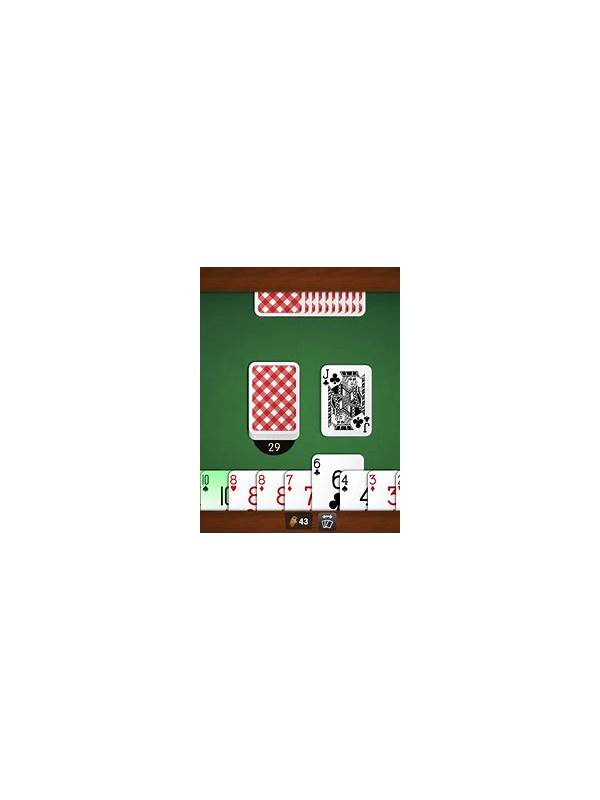
A good card is not always good for your hand. A card may be high quality in isolation because it connects to a pair or matches a useful suit, but adding it can create too many competing plans. The result is a hand full of attractive pieces and no clear path to legal groups.
This happens when several cards share the same potential but require different completions. For example, two promising pairs may each need separate specific cards. Holding both can leave no space for a stable group or a low-risk discard. The cards are “good” in theory, but their combination is inefficient.
Another problem is overlap. A connector may fit two routes, which sounds valuable, yet both routes may depend on the same missing rank. The apparent flexibility is then smaller than it appears. Check whether each route has genuinely different completions or simply different descriptions of the same wait.
Good cards can also raise the cost of waiting. A high card that joins a promising group may still be dangerous if it remains unfinished near the end of the hand. A low card can be more useful when it allows you to reduce penalty exposure and keep the rest of the hand organized. Value should be measured against timing and alternatives.
To correct the problem, evaluate the whole hand after every meaningful draw. Count stable groups, flexible connectors, narrow candidates, and burdens. If the number of candidates keeps growing while stable groups do not, choose one route and release the others. A deliberate cut often improves the hand more than another hopeful draw.
The lesson is not to reject attractive cards. It is to judge them by the work they do in combination. A useful card should improve completion, flexibility, or risk control. If it does none of those jobs because it merely supports another uncertain plan, its reputation as a “good card” should not protect it from the discard.
One practical test is to remove the card mentally and describe what becomes easier. If the hand gains a clear discard, a lower-risk route, or room for a completed group, the card may have been expensive despite its attractive connections. This test shifts attention from the card’s promise to the improvement created by letting it go.
You can make the test more concrete by sketching the remaining groups in two columns: routes kept and routes lost. If keeping one attractive card blocks several safer arrangements, its apparent value is overstated. The exercise is especially useful when several cards are individually interesting but collectively leave the hand with no room to reduce risk.


