Rummy FAQ: How Detailed Should a Practice Log Be?
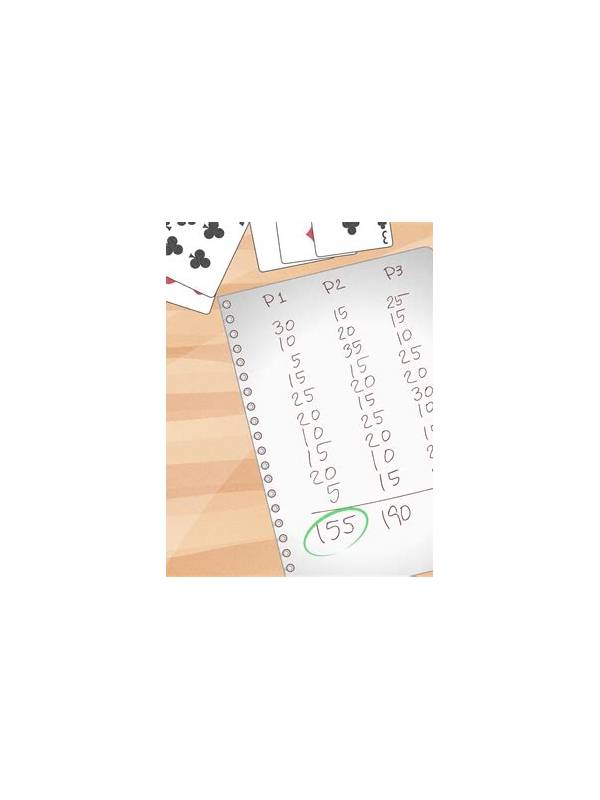
A useful rummy practice log records enough detail to reveal repeatable habits without turning every hand into paperwork. Wins and losses alone are too noisy; they are affected by the deal, opponents, and format. Track the decisions that led to those results and the conditions in which you made them.
Start with the format and date. Note the number of players, whether the game was points, pool, deals, or another variant, and any special joker rules. A strategy that is sensible in one format may be unsuitable in another. Recording the format prevents you from combining unlike results later.
For each important hand, capture the opening shape in broad terms. You do not need to copy every card. Write whether you had a confirmed sequence, several pairs, high-value singletons, or a promising set. Then record one or two decision points: the card you drew, the discard you considered, and why you chose it. A short reason such as “kept two-way connector” is more useful than “felt right.”
Mark uncertainty. If you were unsure whether a group was legal, write the question down and check the rules afterward. If you were choosing between a visible discard and a blind draw, record what each option could improve. This turns confusion into a study list rather than a vague feeling that the hand went badly.
Record state as well. Note whether you were tired, rushed, distracted, or tempted to continue after your planned stopping time. These conditions may explain errors that no card strategy can fix. Keep money and time limits in the log only for your own accountability, and store the notes privately.
Review in batches, not after every result. Once a week, look for repeated patterns: protecting weak pairs, ignoring point exposure, delaying a required sequence, or changing plans without a deadline. Choose one pattern to address in the next practice block. Too many corrections at once make it hard to tell what helped.
The best log is one you will actually maintain. A small table with columns for format, hand shape, key decision, reason, and lesson is enough. Do not publish private account details, personal information, or credentials. Practice notes should improve your decisions while respecting your safety and privacy.
Keep the language descriptive rather than dramatic. “Held a card after three misses” can be reviewed; “played terribly” cannot. Over several entries, those neutral descriptions may show that the same error appears only during late sessions or unfamiliar formats. That is actionable information you can use to adjust your schedule and preparation.