Rummy FAQ: How Should You Handle a Duplicate Card?
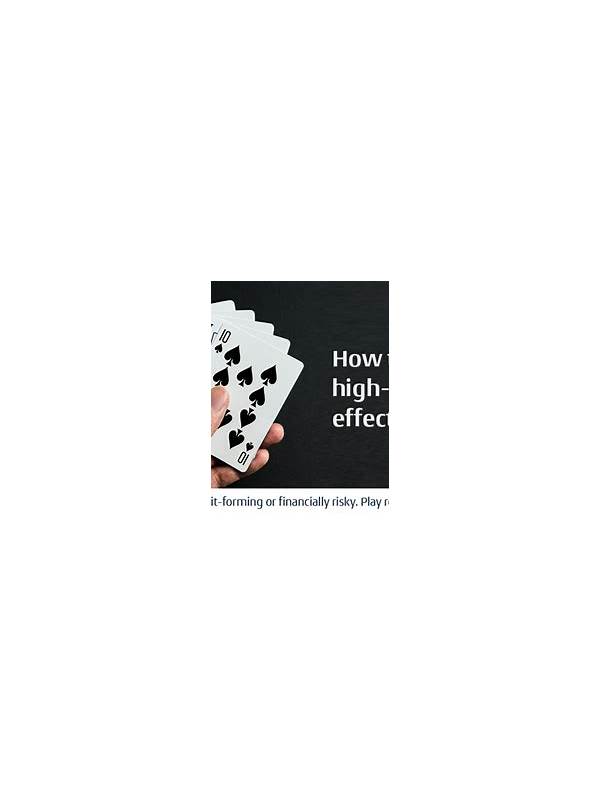
A duplicate card is not automatically useless. It may belong to a set, support a flexible pair, or simply be the safer copy to retain while another card carries more risk. The correct choice depends on the complete hand and the variant rules, not on the fact that the cards share a rank.
Start by separating the copies in your mind. One may already support a valid group while the other is unconnected. If the copies are identical in rank and suit is relevant, check whether each can legally serve the same purpose. Do not assume that two cards with similar appearances are interchangeable under every rule set.
Next, inspect outside connections. A duplicate can be useful in a set, while a neighboring card may be useful in a sequence. Compare the number of realistic partners for each card. Also consider the value of an immediate valid group versus a speculative connection. A duplicate that completes a required set may be more valuable than a single card that merely extends a promising run.
Points matter when the hand is not developing. If both copies are loose and one is expensive, releasing one may reduce exposure. If a duplicate is low-value but blocks a more flexible card from being discarded, it may be harmless to hold briefly. Add a time limit so harmless does not become permanent.
Be careful with visible discards. Taking a duplicate may communicate interest in a set, but opponents cannot be read with certainty from one action. Use the information as one clue and keep your own plan primary. When discarding a duplicate, ask whether the table has already shown interest in that rank; if so, the card may be more dangerous than its point value suggests.
The best question is not “Do I have two of these?” It is “Which copy gives this hand more options, and what does keeping it prevent?” Evaluate each card by its role, then keep the copy that supports a clear route or lowers risk. Release the other when the alternative is stronger.
If the duplicate is part of a repeated pattern, review the whole pattern rather than reacting to the newest copy. Two pairs may suggest a set, but they may also consume space needed by a sequence. Likewise, a duplicate can be useful insurance only if you know what event would make that insurance unnecessary. Set a checkpoint and reassess after a meaningful draw instead of carrying both cards indefinitely.