
Rummy FAQ: How Can You Tell If a Hand Is Becoming Simpler?
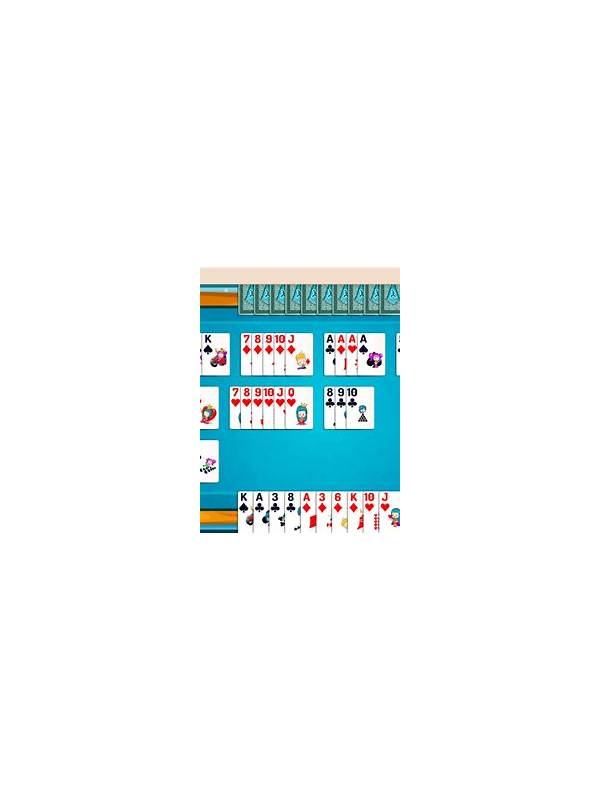
A simpler rummy hand is not necessarily a hand with fewer cards or an immediate win. It is a hand where the important relationships are easier to identify. Simplicity improves decision quality because fewer cards compete for attention and the next action has a defensible reason.
Check the legal structure first. Can you point to a confirmed sequence or set, and can you identify what remains necessary for a valid declaration? If the answer is becoming clearer after each turn, the hand is gaining useful simplicity. If completed-looking groups still depend on uncertain assumptions, the hand may only look organized.
Next, identify one primary target. A simple hand does not need one single route, but it should have a leading route and a backup. When every card appears equally important, the hand is often too wide. Reduce the width by ranking routes according to legality, useful draws, and holding cost.
Then look at the discard candidates. A clearer hand usually has at least one card whose role is weak compared with the others. If no card can be released without fear, inspect whether some speculative plan is being protected without evidence. A good discard candidate is not always low value; it is the card with the least useful future role after the whole hand is considered.
Finally, test the next turn in a sentence: “I will draw to improve this route, then release this type of card if it does not improve.” If the sentence is specific, the hand is probably becoming easier to manage. If it requires several exceptions, pause and sort the hand again.
Simplicity should not be confused with passivity. A hand can become simpler because you made a deliberate commitment, or because you released a tempting but weak route. Keep updating as new information arrives. The goal is a transparent plan that can change for a clear reason, not a rigid arrangement that merely feels tidy. Track simplicity with one practical signal: how long it takes to explain the next move. A shorter, accurate explanation usually means the hand has clearer priorities. If the explanation grows every turn, stop collecting possibilities and return to legality, route strength, and discard cost. This does not mean choosing quickly at all times; it means spending thought on the decision that matters most instead of narrating every imaginable outcome. Clarity can be rebuilt after a messy draw. Pause, group confirmed cards first, and let unconfirmed possibilities wait until the legal structure is visible.


