Rummy Guide: Turn a Session Goal Into One Measurable Habit

“Play better” is a difficult session goal because it does not tell you what to observe. A measurable habit is more useful. It should describe one action, fit within normal play, and be easy to review afterward. Narrow goals improve learning without turning every hand into an examination.
Choose one decision area first. Examples include reviewing unmatched points after every draw, setting a deadline for a narrow route, or naming a fallback discard before committing to a plan. Avoid combining several habits at once. If you track everything, you may remember none of it clearly.
Make the habit observable. “Stay calm” is valuable but hard to measure. “Pause for one full hand review before making a rushed discard” is easier to recognize. “Use the discard pile better” can become “check the last three relevant discards before changing plans.” The wording should tell you whether the habit happened.
Set a modest target for the session. You might apply the habit in five hands or record three examples. The target is a practice boundary, not a promise of a particular result. A bad outcome can still be a successful training session if you performed the review and learned what it missed.
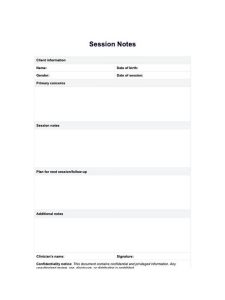
After playing, write three lines: when the habit helped, when you skipped it, and what you will adjust next time. Keep the note about decisions rather than private account or payment details. If the habit felt too slow, simplify its wording. If it was easy but uninformative, add one comparison question.
Repeat the same habit across several sessions before replacing it. Repetition reveals whether an improvement is reliable or merely linked to one favorable hand. Once the action feels automatic, choose a related habit that addresses the next weakness. Small, visible practices create a stronger foundation than vague promises to play perfectly. Repeat the same habit across several sessions before replacing it. Repetition reveals whether an improvement is reliable or merely linked to one favorable hand. Once the action feels automatic, choose a related habit that addresses the next weakness. Small, visible practices create a stronger foundation than vague promises to play perfectly.
Keep the habit compatible with responsible play. A practice goal should never encourage longer sessions, larger stakes, or chasing losses. If attention fades, stop and review later. The best habit is one that improves decisions while respecting your time, budget, and ability to step away.