
Rummy How-To: Build a Simple Decision Log
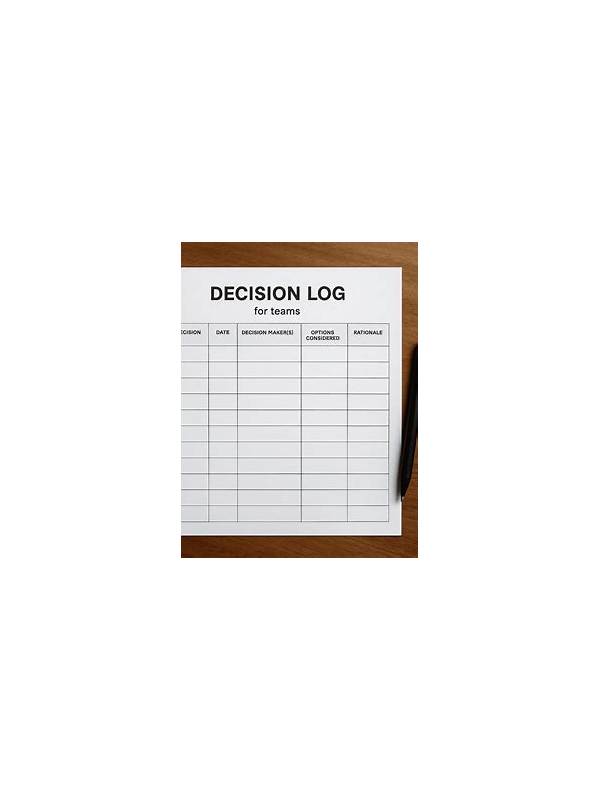
A decision log is a short record of important choices in a rummy session. It is not meant to capture every draw. Its purpose is to preserve enough context to review why a choice seemed reasonable and whether a different process would help next time.
Create four columns: situation, choice, reason, and result. In the situation column, write only the relevant facts, such as “two connected cards, one high singleton, four turns played.” In choice, name the discard or group you protected. In reason, state the rule or estimate behind it. Result can describe what happened, but it should not rewrite the original reasoning.
Log turning points rather than routine moves. Useful examples include breaking a pair, choosing between a safe discard and a promising draw, changing plans after a joker, or deciding whether to declare. If you log everything, the important moments disappear in a mass of detail and the task becomes too tiring to continue.
Use neutral language. “I was stupid to keep it” does not help future analysis. “I kept the high card because it had two possible sequence routes, but both required cards had already been discarded” is specific and testable. The goal is to find conditions that change a decision, not to assign blame.
Review the log after several hands, not after every emotional moment. Look for repeated patterns: late deadlines, ignored format requirements, or decisions based on one dramatic discard. Pick one pattern to address in the next session. Keep the log private and do not record personal information about other players.
A decision log is useful only if it remains sustainable. A note on paper or a simple local document is enough. Stop recording when attention is fading, and never let documentation push you beyond your time or spending limit. A few accurate entries can teach more than a complete but careless transcript.
Protect the log from sensitive details. Do not store passwords, payment information, identity documents, or private information about opponents. If you use a shared device, close the document when finished. The best log is brief, secure, and honest about uncertainty. Its value comes from better future decisions, not from becoming a permanent archive of every session.
Use initials or neutral labels for table positions if comparison is necessary. Focus on actions and context, not personal judgments.
Reviewing fewer, better entries also keeps the habit sustainable after the novelty of a new system fades.


