
Rummy How-To: Make a Three-Question Draw Decision
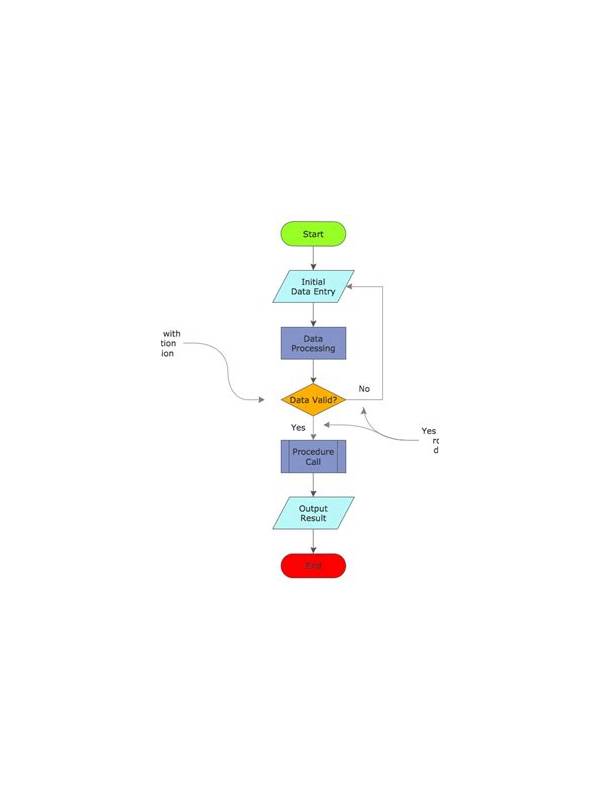
Choosing between a face-down draw and a visible discard is a small decision with several consequences. A quick three-question routine can keep the choice connected to your hand rather than to curiosity. It is useful in both practice games and real-money formats, subject to the rules and laws that apply where you play.
The routine is deliberately short because a good method must still work when the clock is running. It can be used silently after each opponent’s discard.
Question one: What does the card complete?
Before taking a visible discard, identify the exact group it could strengthen. Does it complete a sequence, extend a sequence, or start a realistic set? If you cannot name a concrete use, the card may be attractive only because it is visible. A clear answer does not guarantee the draw is correct, but it establishes a reason for taking it.
Question two: What will you release?
Every draw normally requires a discard. Imagine the card entering your hand and identify the likely card leaving. If the new card completes a group while allowing you to discard a high, isolated card, it has immediate value. If it forces you to break a sound combination or keep another awkward card, the benefit may be smaller than expected.
Question three: What information will you reveal?
Taking a discard can tell opponents which area interests you. That information is not always a serious problem, but it should be considered. A visible card that completes your hand may be worth exposing your direction. A merely hopeful card may not justify the signal. The face-down stock offers less public information, although it also offers less control.
Apply the questions in order
Keep the routine short. Ask completion, release, and information in that order. If a discard has no concrete completion use, usually pass. If it does, compare the replacement and the signal. If the stock is available and your hand needs flexibility rather than one exact card, the hidden draw may be better. The best choice depends on the current shape of the hand, not on a permanent preference.
Review the decision later
After the turn, note whether the card produced the expected improvement. Do not judge the decision only by whether the next card helped. A sound choice can fail because of the shuffle, while a weak choice can succeed by luck. Reviewing the three questions helps separate decision quality from outcome and gradually sharpens your judgment.


