Rummy How-To: Use a Decision Pause Before Every Discard
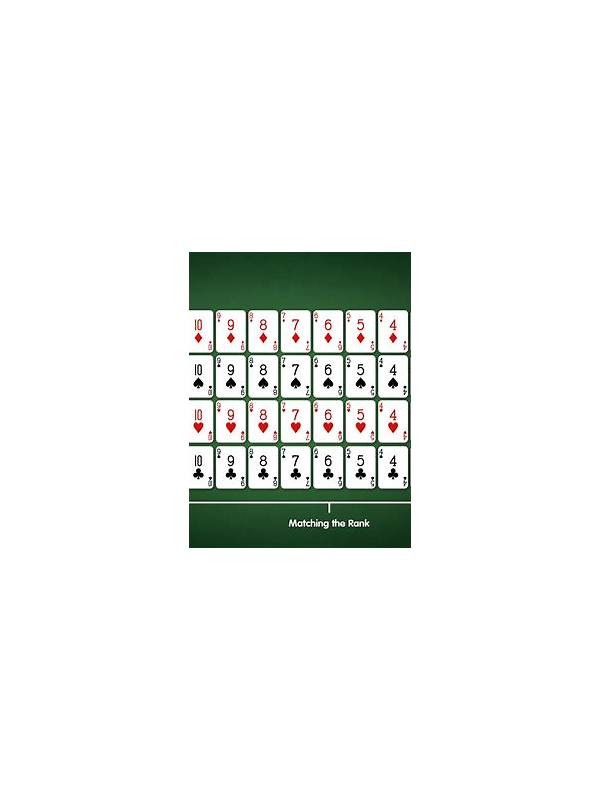
Discarding is often treated as the easiest part of a rummy turn, yet it is where a useful card can accidentally be removed. A short decision pause makes the final action deliberate without requiring complicated calculations.
After drawing, place the new card into your three-zone layout: confirmed groups, developing groups, or loose cards. Then choose a provisional discard from the loose zone. Before committing, run four checks. Is the card part of a legal confirmed group? Does it complete or preserve a pure sequence? Is it the only bridge between two plausible plans? What point cost remains if the hand ends immediately?
The first check prevents obvious structural errors. A card can look redundant while quietly completing a required group. The second protects the special role of a pure sequence in formats that require one. The third exposes shared-card conflicts: if one card is supporting two different groups, discarding it may reveal that one group was never real. The fourth keeps attention on risk rather than beauty.
Next compare the provisional discard with one alternative. Do not examine every possible move; choose the next weakest candidate. If both cards are weak, prefer the one that gives opponents less useful information, carries the higher point cost, or has the narrower route. The correct tie-breaker depends on the format and the current timing.
Finally, check the interface before tapping. Confirm the selected card, the current turn, and whether the app has registered the draw. On a small screen, a deliberate glance can prevent a misclick. If the connection is unstable, avoid tapping repeatedly and wait for the state to settle.
The pause should remain short enough to use every turn. Practice it in free play until the four checks become familiar. If the hand is nearly complete or an opponent is close to declaring, make the pause sharper, not longer: protect legal groups, reduce costly leftovers, and avoid chasing a perfect arrangement that is no longer available.
A good discard pause does not guarantee a win. It reduces preventable errors, which is a more reliable goal in a game shaped by uncertain draws.
You can shorten the pause to a fixed sequence: group, pure sequence, bridge, points, alternative. Saying those five words silently gives the turn a stable rhythm. With practice, the check takes only a moment while still protecting the most common avoidable errors.
The pause is especially useful after an exciting draw. Strong cards can make players rush because they want to act before reconsidering the whole hand. Take the same breath after a good draw as after a disappointing one; consistency keeps emotion from selecting the discard.