Rummy Safety: Make a Clean Boundary Between Play and Payments
You can also set a cooling-off period for optional account changes. For example, wait until the next day before raising a limit or making a larger payment. The exact period is personal, but the principle is consistent: a financial choice should still make sense when you are away from the table and no one is urging you to act.
Game play and payment activity require different kinds of attention. A hand encourages quick choices, while a deposit, withdrawal, or account change deserves deliberate verification. Keeping these activities separate reduces the chance that table pressure or frustration will influence a financial decision.
Set the boundary before starting. Decide that payment screens will be opened only after leaving the table or using a planned pause. If a message says you must add funds immediately to continue, treat that urgency as a warning sign. Close the message and use the platform’s official account area to check what is actually required.
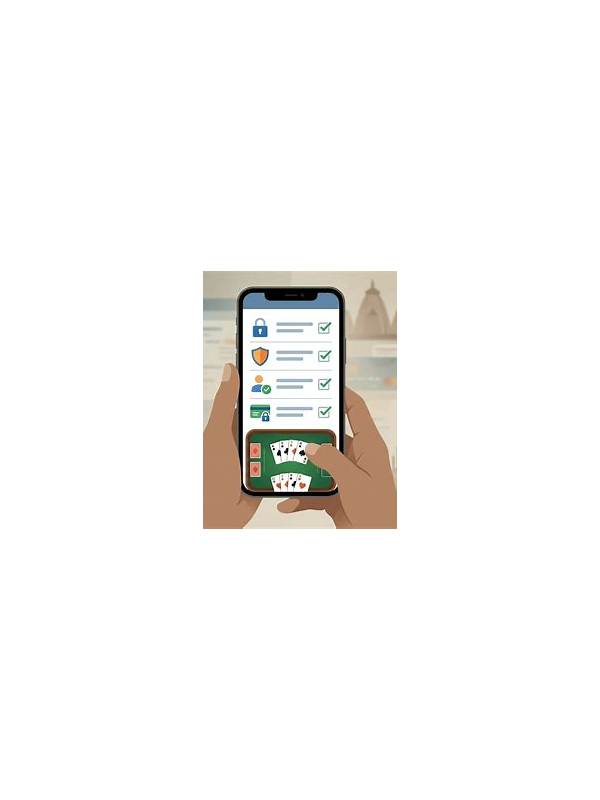
When reviewing a payment screen, verify the destination, amount, currency, and any fee before confirming. Read the final summary instead of relying on a notification or a chat instruction. Never share passwords, one-time codes, or full payment details in a game chat. Support staff should not need private authentication codes sent through an informal channel.
Withdrawals deserve the same care. Check the stated processing conditions, identity requirements, and status in the official account area. Save a reference number only in a private note that does not include unnecessary personal data. If the information conflicts across screens, pause and contact verified support through the route listed in the application or website.
A clean boundary also helps emotionally. After a disappointing round, wait before deciding whether to add money or change limits. A short break allows the decision to be based on your pre-set budget rather than the wish to recover a result. If the session is no longer enjoyable, leaving is a valid outcome.
You can make the routine visible with three labels: play, pause, and verify. “Play” covers the hand. “Pause” means leaving the table and taking a moment. “Verify” means using the official account or support channel. Do not skip from play straight to a payment confirmation.
This is a general safety habit, not a promise that a platform is trustworthy. Check local rules, the service’s current terms, and your own financial boundaries. If anything feels inconsistent or unusually urgent, stop the transaction until the details are independently confirmed.