Rummy Safety: Build a Pause After a Frustrating Hand
A loss can make the next hand feel like an opportunity to recover immediately. That feeling is understandable, but it can turn a normal game into a rushed sequence of decisions. A cooling-off routine creates space between the result and the next choice. It is a practical safety habit, not a judgment about your ability.
Choose the routine before playing. It might be a ten-minute break, a glass of water, a short walk, or writing three neutral facts about the hand. The action should be simple and available wherever you play. Do not wait until you feel overwhelmed; the routine works best as a normal response to a defined trigger, such as reaching a session limit or feeling an urge to increase stakes.
During the pause, avoid reviewing the result as proof of a personal failure. Separate the outcome from the process. Ask only whether you followed your limits and whether one decision is worth examining later. Detailed analysis can wait until emotions are lower. If the game involved money, do not add funds or raise a limit during the cooling-off period.
Check your physical state as well. Fatigue, hunger, stress, or distraction can make ordinary uncertainty feel urgent. If you are tired or upset, ending the session is often the safer choice. A cooling-off routine should include permission not to return that day. The value of a limit comes from respecting it when continuing feels tempting.
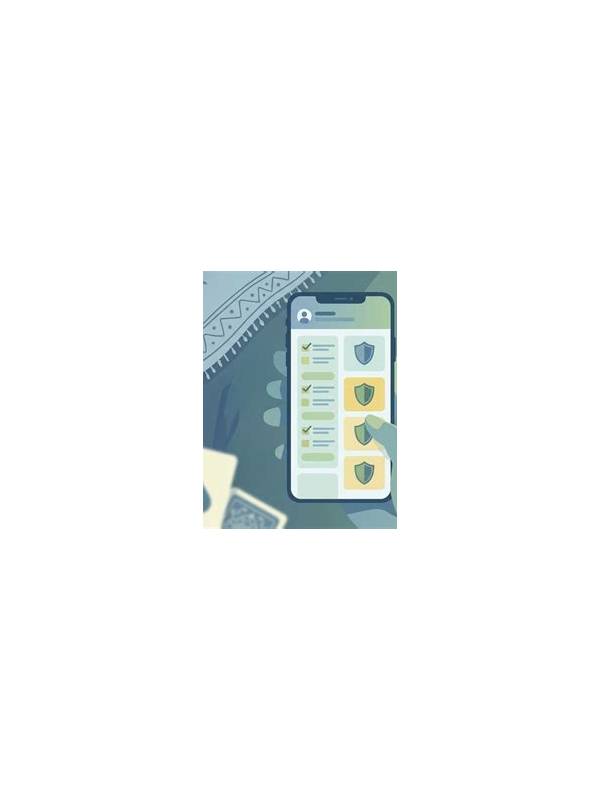
Keep the method private and convenient. You can use a phone reminder, a written card near your desk, or an account feature that limits access if available. Never rely on another player to talk you down. If play is interfering with bills, sleep, work, or relationships, seek support from someone you trust or an appropriate local service.
The purpose is not to eliminate disappointment. Losses are part of games with uncertainty. The purpose is to prevent one result from controlling the next decision. A consistent pause protects attention, budget, and perspective, making it easier to choose whether continuing is genuinely enjoyable and within your plan.
If a pause repeatedly feels impossible, treat that as important information. Increase the distance from the game by logging out, disabling alerts, or asking a trusted person to help keep the boundary. Support is a practical way to protect choices when routine is no longer enough.
The pause can include a simple physical reset: stand up, stretch, and move away from the screen. Do not use the interval to study promotions or watch more game content. The purpose is to restore choice, not to intensify the urge to continue. Return only if the original plan still makes sense after the break.