
Rummy Safety: Create a Personal Stop Signal
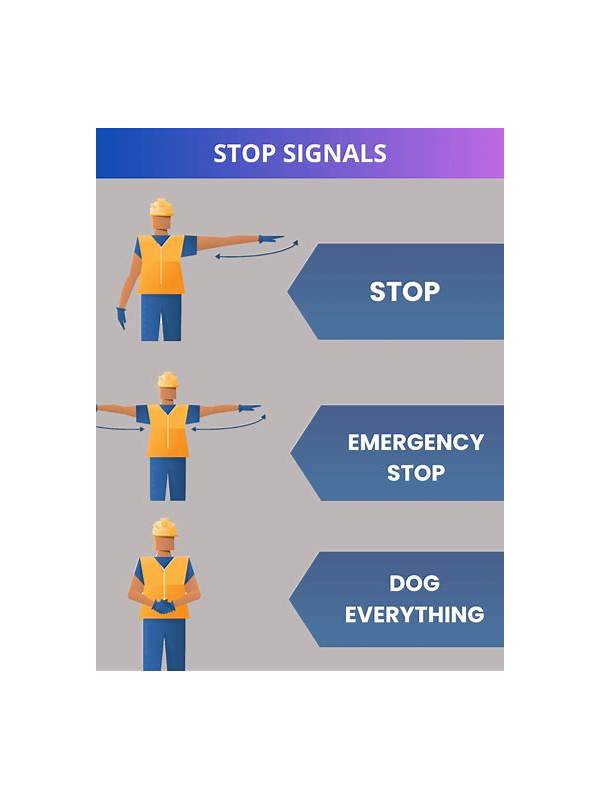
A stop signal is a preselected sign that tells you to leave the table, take a break, or end play. It is useful because decisions become less reliable when someone is tired, frustrated, or focused on recovering a result. The signal should be chosen while calm, not invented during a stressful hand.
Start with observable conditions. Examples include checking the balance repeatedly, increasing the planned stake, playing faster than usual, feeling angry after a loss, or continuing past the scheduled end time. Choose one or two signs that are easy to recognize. A vague rule such as “stop if I feel bad” is harder to apply than “stop after two rushed decisions.”
Attach an action to the signal. A brief signal might mean standing up and leaving for ten minutes. A stronger signal may mean closing the app and ending the day. If money is involved, define the financial limit before starting and treat reaching it as an automatic stop, not an invitation to reload. Keep the rule written in a note or on paper where you can see it.
Make the signal practical. Disable unnecessary notifications, avoid playing when you are responsible for another task, and keep payment methods separate from casual spending when possible. Do not use alcohol, exhaustion, or emotional distress as a background condition for play. If stopping feels impossible or play is affecting bills, sleep, or relationships, seek support from a trusted person or a local responsible-gambling service.
Review the signal after a session. Did you notice it early enough? Was the required action realistic? A rule that cannot be followed should be adjusted while calm. The goal is not to judge yourself; it is to make the next safe choice easier to execute.
A stop signal does not predict results or remove every temptation. It provides a precommitted boundary when attention is narrowed. Used with time, spending, and break limits, it helps keep rummy a controlled activity rather than an unplanned response to frustration.
Share the existence of the boundary with someone you trust if that makes it easier to follow. You do not need to share private account details. A simple message that you are ending play at a certain time can create useful accountability. If another person notices that your behavior has changed, listen rather than treating the observation as criticism. Early support is easier to use than emergency support.
Put the signal somewhere visible before the session starts, such as beside the planned end time. Visibility matters because stress narrows attention and makes forgotten intentions easy to dismiss.


