Rummy Tips: Compare Two Candidate Sequences
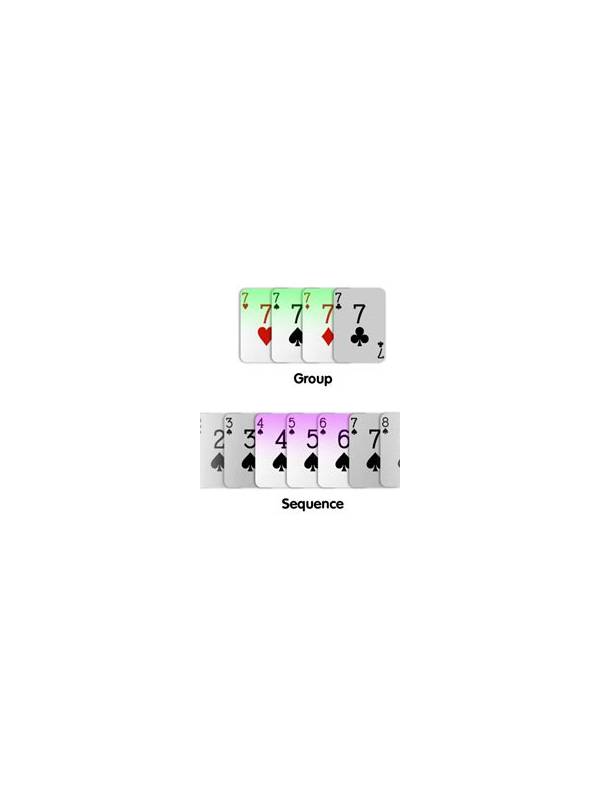
When two possible sequences compete for the same cards, choosing one too early can make the rest of the hand awkward. A better approach is to compare the candidates as temporary plans. The comparison does not predict the next card. It simply makes the cost of each route visible, which is useful in both practice and ordinary rummy play.
First, list the missing links for each sequence. A plan needing one card has a different risk from one needing two precise cards. Then note whether the missing card has more than one natural source. An open-ended route may accept a card on either side, while a closed gap accepts only one rank. The number of possible links is not a guarantee, but it is a helpful description of flexibility.
Next, check the cards that would be stranded if the plan fails. A candidate that uses a pair and leaves a high singleton may carry a larger point risk than a route built from low, connected cards. Include the opportunity cost of holding the plan. Sometimes the better sequence is not the one that looks closest; it is the one that leaves a cleaner hand if the draw does not arrive.
Finally, consider whether either candidate overlaps with a required pure sequence or another confirmed meld. Rules differ by format, so confirm the table rules first. If a route satisfies an important requirement and another route only improves appearance, the rules-based route deserves priority. A simple scorecard can use three labels: links available, cards stranded, and rule importance.
Use the comparison for a few turns, then set a review point. Do not keep both plans indefinitely just because each remains possible. At the review point, keep the route with the stronger structure and release the weaker commitment. This method replaces vague hope with a clear decision, while still allowing the hand to change when new information appears. Keep the comparison temporary. A candidate can be strong at one point and weak after several connected cards have appeared in the discard pile. Re-score it when the hand changes materially, rather than repeating the same judgment from memory. This is especially useful for beginners because it separates a route’s original promise from its current usefulness. The best comparison is the one that helps you make the next discard with less confusion.