Rummy Guide: Use a Last-Card Test Before a Risky Discard
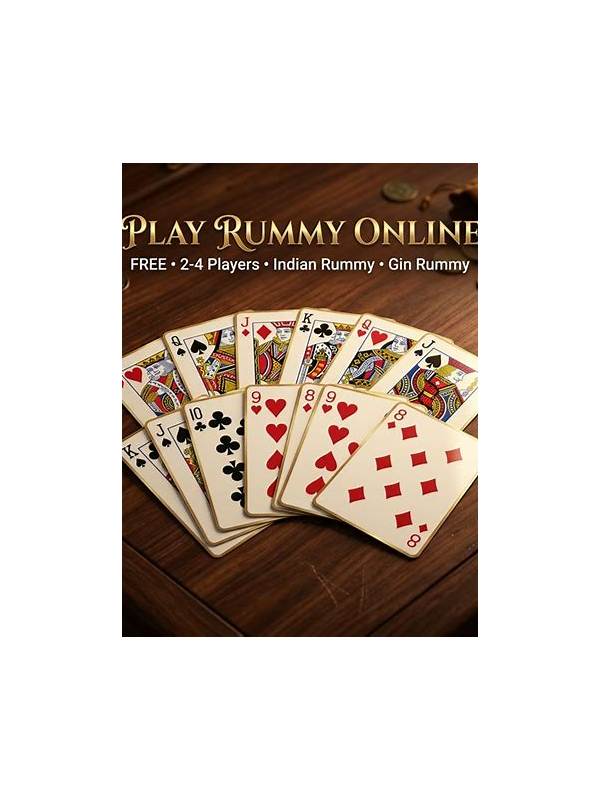
Before releasing a difficult card, imagine that it is the last card you will draw this turn. Ask what your hand looks like after the discard and what information you have given the table. This last-card test is useful when two discards appear close, because it focuses attention on the position you are actually creating rather than on an uncertain future draw.
First, identify the purpose of the discard. Is it completing a meld, reducing a high-value singleton, opening space for a better draw, or protecting a safer structure? State the purpose plainly. If you cannot name a purpose, the discard may be driven by convenience rather than improvement.
Next, check what remains. Count your completed groups and unfinished candidates. A discard that removes the only card connecting two plans may leave the hand much weaker than its immediate appearance suggests. Conversely, releasing a card that supports nothing can simplify the hand even if it feels uncomfortable.
Then inspect public risk. Look at the cards an opponent has taken and the shapes they have exposed. The test does not require certainty about another player’s hand. It only asks whether the discard creates an obvious connection. If it does, compare that danger with the value of keeping the card. A safe discard that leaves your own hand messy may still be better than a risky discard that only saves one point.
Finally, imagine the next decision with no improvement. This prevents you from assuming that the perfect card will arrive immediately. Which remaining plan would you prefer to carry for one more turn? The answer often reveals whether your candidate structure is strong enough to preserve.
Use the test quickly. It should take a few breaths, not a complete reconstruction of the deck. After the hand, note whether the discarded card helped another player or whether the hand became easier to manage. The value of the method is its focus on consequences: every discard changes both your cards and the information available to everyone at the table.
The test is most useful when a discard feels obvious. Speed can hide an overlooked connection, while a short pause gives you time to see whether the card is truly expendable. Keep the routine brief enough that it supports play instead of replacing it.