
Rummy Comparison: Exact Sequence Targets Versus Shape Targets
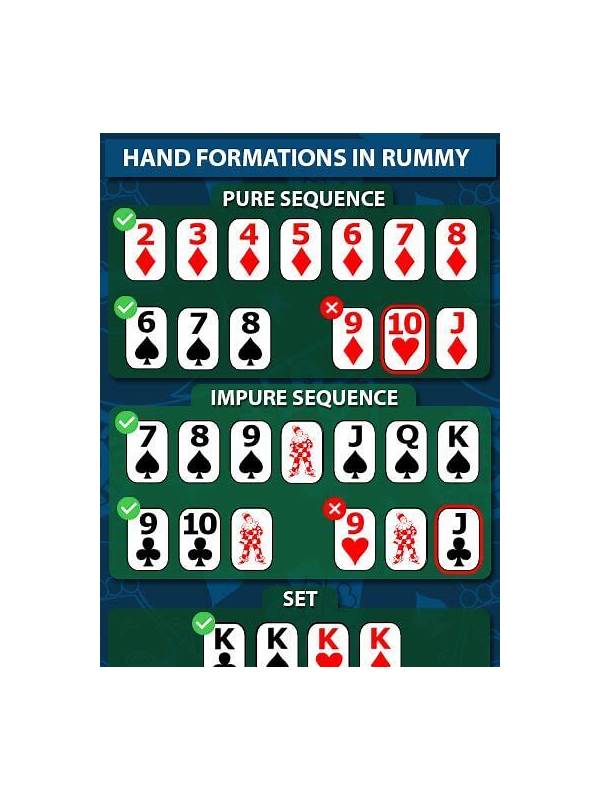
Players can describe a rummy plan in two ways. An exact target names the precise sequence or set desired. A shape target describes a broader structure, such as a three-card run with one gap or a pair that could accept several ranks. Each style has a place, and confusing them can create unnecessary rigidity.
Exact targets are useful when the hand already contains a strong, legal foundation. If two neighboring cards share a suit, naming the missing neighbor makes the next review concrete. Exact language also helps during a final declaration check, where vague intentions are not enough. The weakness is that an exact target can encourage tunnel vision. If the required card does not appear, the player may keep unrelated cards too long.
Shape targets are useful earlier or when information is limited. “Keep a one-gap route and a separate rank pair” allows the plan to adapt to several draws. The weakness is that shape language can become so broad that every card appears defensible. A shape target therefore needs a deadline and a test for legal completion.
Compare the two styles by asking what would change after an ordinary draw. With an exact target, identify the point at which you will abandon it. With a shape target, identify the cards that would turn it into a legal group. If you cannot answer either question, the plan is a hope rather than a working route.
Use a two-line note in practice. Line one states the exact best case; line two states the acceptable shape. For example, the best case may be one particular sequence, while the acceptable shape is any legal group that uses the same anchor card without consuming a confirmed group. After each turn, mark whether the hand moved toward the best case, remained within the shape, or left both.
The comparison is not about choosing one style forever. Strong players shift from shape to exactness as the hand becomes clearer, and they shift back when a target loses support. Make that shift deliberately. A flexible shape protects options early; an exact target supports accuracy late. Together they create a plan that is focused without becoming trapped.
Review the shift after practice. Note the turn when the exact target stopped being supported and the evidence that caused you to widen the plan. If you cannot name that evidence, the change may have been an emotional reaction. If you never widened the plan, check whether you were protecting a favorite sequence rather than evaluating the current hand. This short review makes flexibility intentional instead of accidental.


