
Rummy How-To: Re-sort Your Hand After Every Major Draw
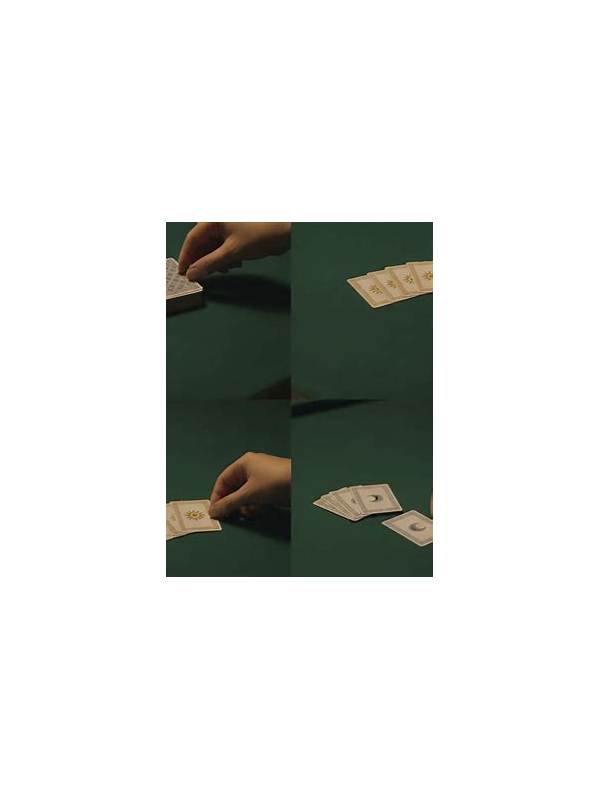
A hand that looked awkward one turn ago can become clear after a single draw. If your cards remain arranged according to the old plan, you may miss the improvement. Re-sorting after every major draw is a small operational habit that makes new information visible before you discard.
Use a consistent layout. Group cards by suit and place them in rank order, then separate obvious duplicate ranks and wild cards. Do not lock cards into groups merely because they sit together. Leave uncertain cards slightly apart or mark them mentally as “unassigned.” This keeps a possible sequence from being mistaken for a confirmed one.
After sorting, identify confirmed structures first. A pure sequence usually deserves attention because it may satisfy a central requirement. Next, identify groups that need one card and cards that support two possible arrangements. Finally, count isolated cards and high-value risks. This order directs your attention toward validity, completion, and penalty reduction.
Re-sorting is especially important after drawing a joker or another flexible card. Ask where it creates the largest improvement, not where it looks most decorative. A wild card may complete a weak group while allowing natural cards to form a safer sequence elsewhere. Also check whether using it in one place blocks a better arrangement with a later draw.
Do the same review after discarding. Removing a card can reveal that two formerly separate cards now form a connected pair. It can also expose a plan that depended on a card you no longer hold. A quick re-sort catches both changes before the next turn.
To practice, pause for ten seconds after each meaningful draw and narrate the layout: “confirmed, one-away, flexible, isolated.” Avoid calculating every theoretical combination. The purpose is a reliable scan that reduces clutter. Once the habit is automatic, you will spend less time defending the arrangement you started with and more time responding to the hand you actually have.
Re-sorting does not improve the randomness of the deal. It improves the accuracy of your perception. That alone can reduce missed completions, unnecessary pair collecting, and late surprises during a final declaration check.
Keep the routine brief enough to use under normal time limits. A full analysis is useful during study, but a live turn may allow only a quick visual scan. Practice sorting into three mental zones: secure groups, active candidates, and releases. If a new card moves from one zone to another, you have learned something important. If nothing changes, you can make the discard with greater confidence.


