
Rummy Guide: Compare Two Possible Sequences Before Discarding
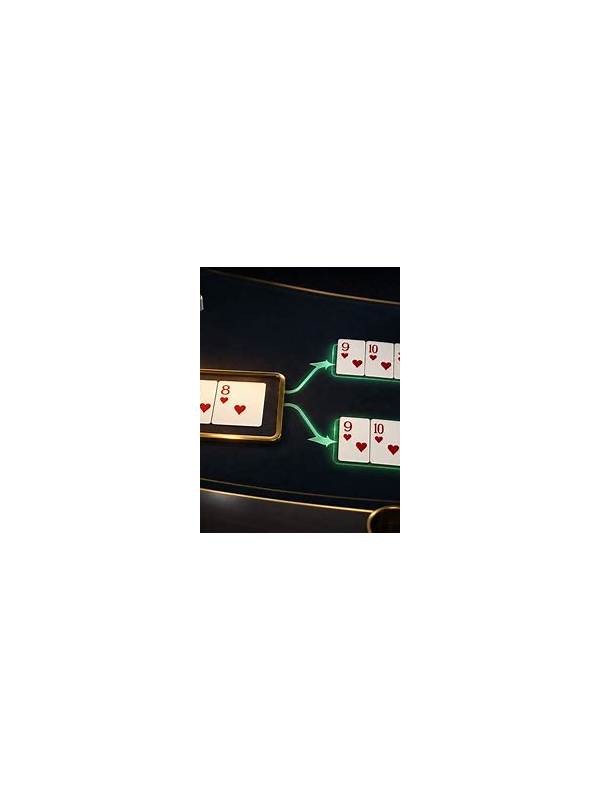
When two cards appear to support different sequences, the attractive choice is often the one that looks closest to completion. That is not always the best choice. A useful comparison asks how many cards could complete each idea, how many of those cards are already visible, and what happens if neither arrives. This small review turns a vague feeling into a decision you can repeat.
Start by writing each candidate group in a simple form. For example, a connected pair may need one card on either side, while a wider gap may need a particular middle card. Count the realistic completing cards, then note whether a completion would create a pure sequence under the rules you are using. Do not give extra credit to a plan merely because it contains a high-value card.
Next, examine flexibility. A pair that can grow in two directions may be more useful than a pair with only one route, even if both are the same distance from completion. Also check whether one card is being counted by two possible groups. Shared cards make a hand look stronger than it really is; once you assign the card to one group, the other may become weak.
Set a review point before you draw again. If the next few turns do not improve the narrower plan, release it and protect the lower-risk structure. This deadline prevents a near-complete idea from consuming the whole hand. It also makes a disappointing draw informative: you learn which route was too dependent on luck.
Finally, compare the discard consequences. Keeping one plan may force you to throw a card that is useful to an opponent, while the alternative may let you discard safely. Sequence comparison is therefore more than counting outs. It combines distance, flexibility, visibility, and discard safety. Practise the process with old hands until you can explain your choice in one sentence.
One useful worksheet has four columns: group, missing cards, visible blockers, and discard cost. Fill it in only for the two groups that compete for attention. The worksheet makes trade-offs visible and reduces the temptation to call every possible card an out. It also gives you a record for later practice. If the same type of route repeatedly survives past its deadline, adjust your review point rather than blaming one unlucky hand.


