Rummy How-To: Build a Simple Card-Tracking Habit
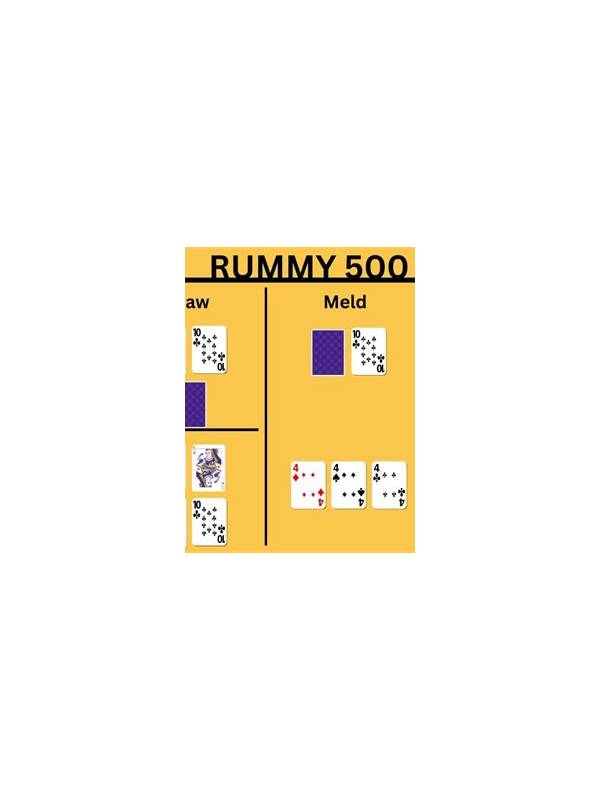
Card tracking in rummy does not require remembering every card. A useful habit is selective: remember the cards that directly affect your current plan, then update that small picture as the hand changes. This keeps attention on decisions rather than trying to create a perfect record.
Begin with your own hand. Identify one or two critical cards that would complete or improve your main route. When one of those cards appears in the discard pile, register it as unavailable from that visible source. If you see a card that strengthens an opponent’s apparent route, note the possibility without claiming certainty. The goal is to track decision-relevant facts.
Use categories instead of long lists. You can think in terms of “needed,” “seen,” and “unclear.” Needed cards are the connectors or duplicates that your plan depends on. Seen cards are copies you have observed in your hand or in public discards. Unclear cards remain possible but unconfirmed. This system is easier to refresh after each turn than a detailed inventory.
After drawing, ask whether the new card changes the category of any old card. A newly drawn connector may make a pair more valuable. A visible discard may make a narrow route less attractive. If nothing important changed, do not spend extra time rebuilding your mental map. Efficient tracking includes knowing when no update is needed.
The discard pile is useful for review, but do not use it as proof of another player’s complete plan. A card may be discarded because it was redundant, risky, or simply less useful than the alternatives. Track what the action suggests and keep the conclusion modest. “This route may be less likely” is more accurate than “the player cannot have this route.”
Practice the habit away from competitive pressure. Deal a small sample hand or review a completed game and choose three cards that mattered. Try to remember only those cards and see whether your decisions would have changed. Increase the number only if the smaller set feels comfortable. Overloading memory can make play slower without making it more accurate.
At the end of a hand, check which tracked facts were actually useful. Perhaps a seen connector helped you abandon a poor draw, or perhaps an assumed opponent preference had no effect. Keep the first kind of observation and discard the second from your routine. Good tracking is not a display of memory; it is a way to reduce avoidable uncertainty while leaving enough attention for structure, timing, and responsible play.