
Rummy How-To: Keep a Decision Log Without Recording Sensitive Details
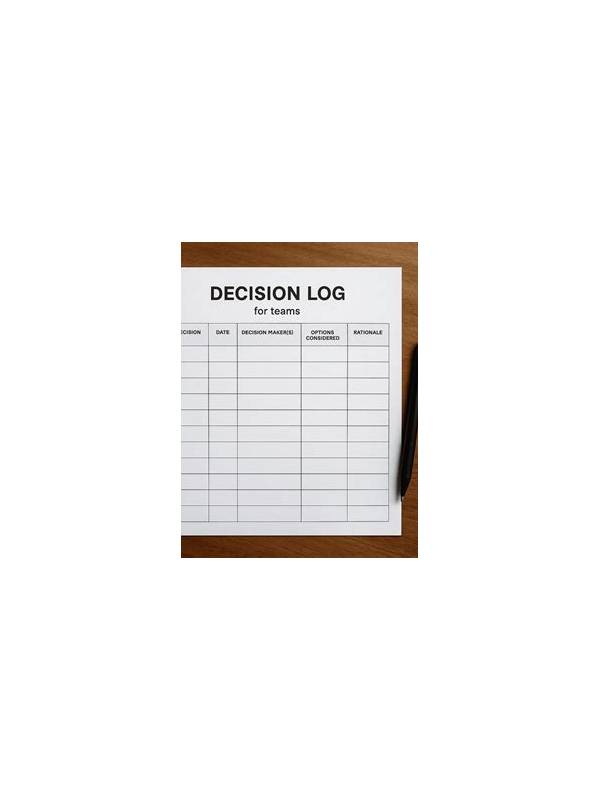
A decision log can improve rummy practice if it records choices rather than private account details. The useful questions are what you saw, what you chose, and what you would review next time. Do not include passwords, verification codes, payment identifiers, full names, or screenshots that expose other players. Learning should not create a privacy problem.
After a session, record one to three meaningful decisions. Note the hand stage, the competing options, and the evidence available at the time. A line such as “kept a flexible pair after checking two unseen routes” is enough. Avoid writing only the result, because a lucky outcome can make a weak plan look strong.
Add one review label: structure, visibility, timing, or emotion. Structure covers group construction; visibility covers known cards and discards; timing covers deadlines and hand stage; emotion covers rushed or reactive choices. Labels make repeated patterns easier to find without requiring a long diary.
Keep the log in a private location protected by the device’s normal security. If you share a device, lock the note or use a separate account. Remove copied text that contains personal information, and do not send the log to unofficial support contacts. A simple offline note is often sufficient for practice.
End every entry with one experiment for the next session, such as “check shared cards separately” or “review a narrow draw after two turns.” Revisit the experiment later and keep it only if it helps. A safe decision log stays brief, specific, and focused on transferable habits rather than sensitive data.
Review entries weekly or after a small number of sessions, not after every single turn. Look for repeated decision types: holding narrow draws, missing pure-sequence requirements, or reacting to a visible discard. Choose one pattern and design a small test for the next session. Avoid ranking yourself by wins and losses alone. A useful log measures whether your process matched the information available, then turns that observation into a safer and clearer experiment.
Keep old entries long enough to notice patterns, but remove anything that identifies another player or exposes account activity. The log should improve judgment without becoming a record that needs special protection.
A monthly summary can be even shorter: one habit to keep, one habit to test, and one safety reminder. This preserves the learning signal while limiting the amount of sensitive or distracting material stored.


