
Rummy Safety: Make a Recovery Plan for a Lost Login
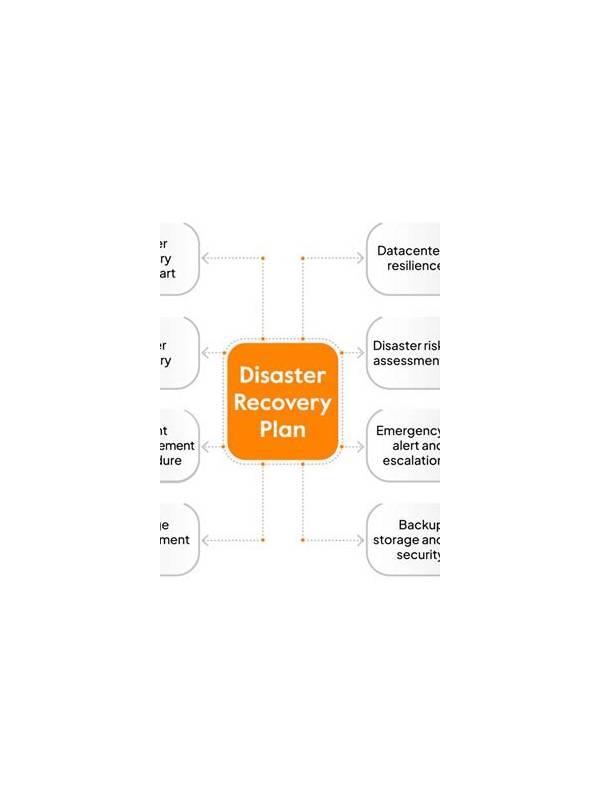
A lost login is stressful, especially when an account contains personal or payment details. A recovery plan keeps the response orderly. Record the official support route and account recovery options before you need them, but never store passwords or one-time codes in an exposed note. Use a password manager or the device’s protected credential system where appropriate.
If you cannot sign in, begin with the official application or website rather than a link in an unsolicited message. Check the address carefully and avoid support accounts that ask for a password, remote access, or a verification code. Legitimate recovery should not require you to send a secret code to another person.
Use the platform’s password-reset process and choose a new, unique password. Review active sessions and sign out devices you do not recognize. If the account uses email or phone verification, secure that recovery channel as well. A compromised email account can undermine an otherwise strong game-account password.
Watch for urgency scams after a login problem. Fraudsters may claim that a balance will vanish unless you pay a fee or provide identity documents immediately. Pause and verify through a channel you opened independently. Keep records of dates and messages, but do not forward sensitive credentials while reporting the incident.
After access is restored, review account activity, permissions, and payment settings. Enable multi-factor authentication if it is offered, and update recovery details that are no longer current. The best recovery plan is prepared, private, and slow enough to resist pressure.
Consider preparing a short incident note with the time of the failed login, the official recovery page you used, and any suspicious messages received. Keep it free of secrets and payment data. This record can help legitimate support understand the sequence without requiring you to forward unsafe material. After the issue is resolved, delete unnecessary copies and check that your browser or device did not retain credentials in an unprotected location. Recovery is complete only when access and privacy are both restored.
If recovery fails repeatedly, stop experimenting with unofficial fixes. Contact the verified provider through its published route and monitor related accounts for unusual activity.
Do not let a recovery deadline push you into sharing information you would normally protect. A pause is safer than an irreversible disclosure, and legitimate providers should offer a verifiable process.


