Rummy Table Rules to Confirm Before the First Draw
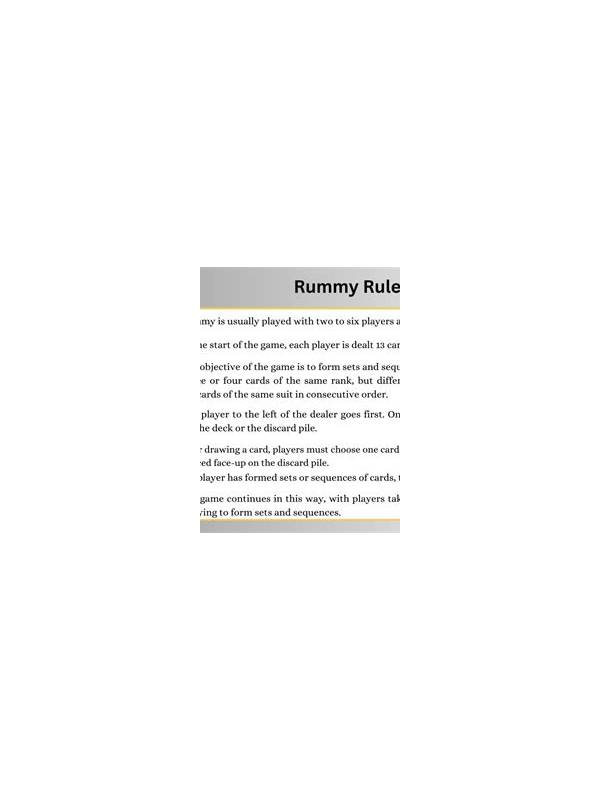
Familiar words do not guarantee identical rules. Before the first draw, confirm the deck setup, hand size, joker treatment, sequence requirements, scoring, and declaration procedure. Two tables may both call themselves Indian rummy while using different limits or interface steps.
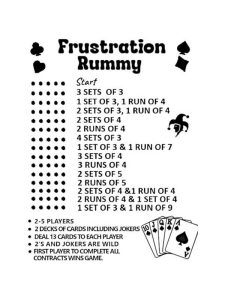
Start with the objective. Find out what makes a hand valid and whether a pure sequence is mandatory. Check how many sequences or sets are required, how wild jokers work, and whether a printed joker has a special role. A neat-looking arrangement is not enough if it fails one formal condition.
Next inspect turn order and action timing. Know whether you draw from the closed deck, the discard pile, or both, and whether taking a discard reveals information. Learn what happens when a player misses a turn or loses connection. If a timer is visible, leave enough time for a final hand check rather than treating it as a suggestion.
Finally review scoring and exits. Understand penalty values, entry conditions, fees, and what happens when you leave before the round ends. Do not infer these details from another app or from a friend’s description. If the rule panel is incomplete, use a practice table or ask official support.
A two-minute check can prevent an entire hand from being built around the wrong assumption. Keep a short note for formats you play often, but reread it when the platform updates. Rules knowledge is part of strategy because it tells you which improvements actually count.
Pay attention to words such as “may,” “minimum,” “maximum,” and “subject to.” They often describe exceptions that change a normal hand. Check the date or version of the rules if one is shown, since an old screenshot or forum comment may no longer apply. If the table displays a summary, open the full explanation before committing an entry.
When teaching someone else, encourage them to read the rules themselves. A confident explanation from a friend can still be incomplete. Shared understanding makes the game more enjoyable and reduces disputes after a declaration. If a rule matters to your decision, keep the relevant wording available before you start. It is easier to resolve a question from the source than from memory after the result is known. This habit prevents avoidable arguments later and keeps expectations clear. Good explanations make new players more confident and careful. Clear rules also help experienced players compare formats fairly and avoid assumptions consistently.